When people think about global engagement work, they often picture travel, partnerships, and new adventures. But for me, it’s really about connection. The kind that happens when like-minded educators, advocates, and changemakers come together across borders with a shared commitment to equity and inclusion.
From 2021-2024, I had the privilege of contributing to two powerful Niagara College initiatives through Colleges and Institutes Canada (CICan): the TVET-14 Project in Kenya, and the Skills to Access the Green Economy (SAGE-05) Project in Jamaica. Both experiences deepened my understanding of what true global collaboration looks like and highlighted the importance of focusing not only on teaching, but also listening, learning, and co-creating.
Kenya: Gender Equity through Technical and Vocational Education & Training
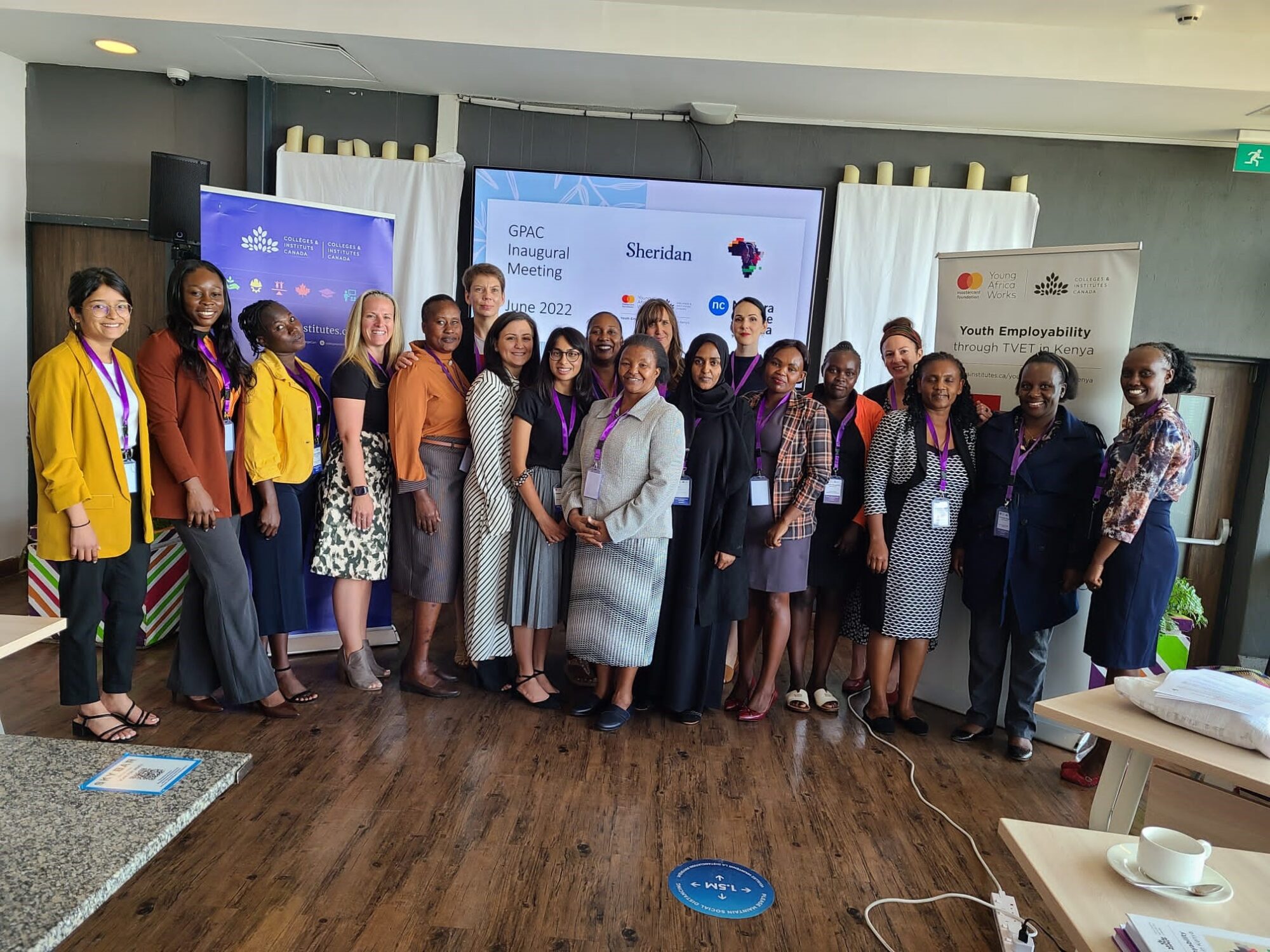
As part of CICan’s TVET-14 Project, under the broader Young Africa Works initiative, Niagara College and Sheridan College partnered with 26 Technical and Vocational Education and Training (TVET) institutions across Kenya to advance gender equity in education and employment.
What inspired me most wasn’t the scale of the project, but the people leading it. The gender champions within Kenya’s TVET institutions are fierce, visionary advocates working tirelessly to make post-secondary spaces safer, more inclusive, and more accessible for all students.
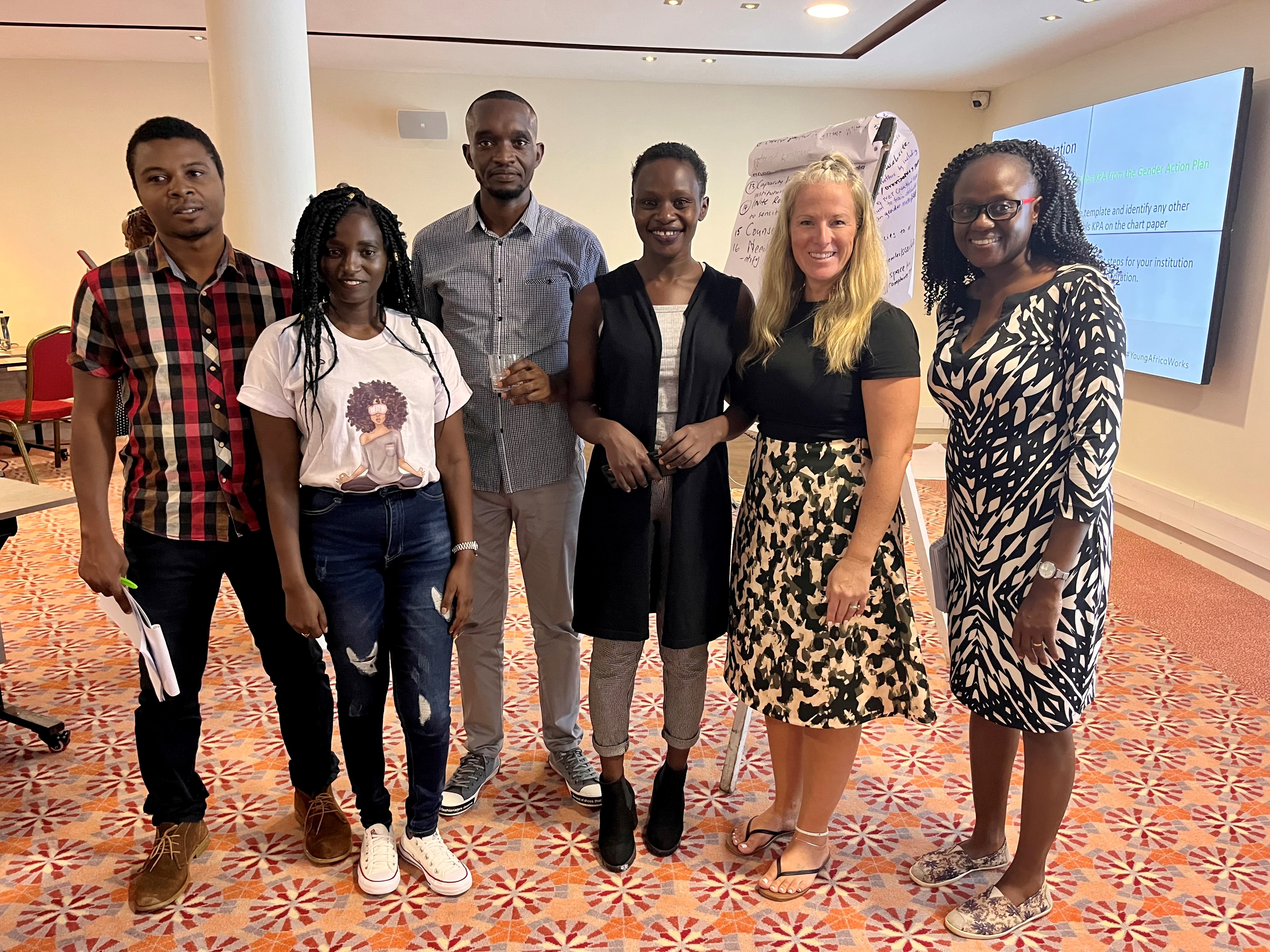
They’re reshaping classrooms by reimagining teaching and learning through a gender-equity lens, and challenging old narratives that have socially constructed almost everything we know (and do) through gendered assumptions. Every conversation highlighted that gender equity is a universal pursuit expressed through local wisdom, community priorities, and context-specific solutions. Our role as “gender specialists” wasn’t to offer expertise, but to witness and amplify the brilliance already there.
Jamaica: Building Skills for a Greener, More Equitable Future
In Jamaica, I joined CICan’s Skills to Access the Green Economy (SAGE-05) project, collaborating with Moneague College and Ebony Park Academy to co-develop competency-based programs in agro-food processing and strengthen institutional capacity in gender equality, environmental sustainability, and research-based innovation.
What stood out to me was how sustainability and gender equity weren’t treated as separate goals, but as interconnected. The gender action planning not only took place alongside the development of the program, but also was factored into every decision and has extended far beyond the life of the project. Faculty, administrators, and students at both colleges are reshaping education to support a green economy that’s inclusive, community-driven, and future-focused.
The energy with the people involved in both projects was electric. It felt like equal parts innovation and advocacy. I left deeply moved by everyone’s commitment to preparing students for meaningful work that nourishes both themselves, other people, and the planet.
The Complexities of Global Engagement in EDI Work
As inspiring as this work is, it’s also layered and complex. Global engagement projects focused on advancing equity, diversity, and inclusion bring with them both incredible opportunities and significant challenges. Equity and inclusion are global values, but they look different in every context. The challenge lies in ensuring that approaches are grounded in the lived realities, as well as the cultural and social frameworks, of local communities. True partnership means slowing down, listening deeply, and resisting the urge to universalize one model of equity.
Even in the most well-intentioned partnerships, global collaborations can carry the weight of historical and systemic inequities. It’s important to stay conscious of power and privilege and be mindful of how we show up, the language we use, the assumptions we hold, and how resources and recognition are shared. Real equity begins when voice and power are distributed as intentionally as funding.
Working across cultures and contexts in equity, diversity and inclusion is humbling. It asks us to constantly interrogate our own assumptions, biases, and motivations. It can be uncomfortable work at times but that’s what so powerful about the learning. The growth happens in the tension between what we thought we knew and what we come to understand through building these relationships.
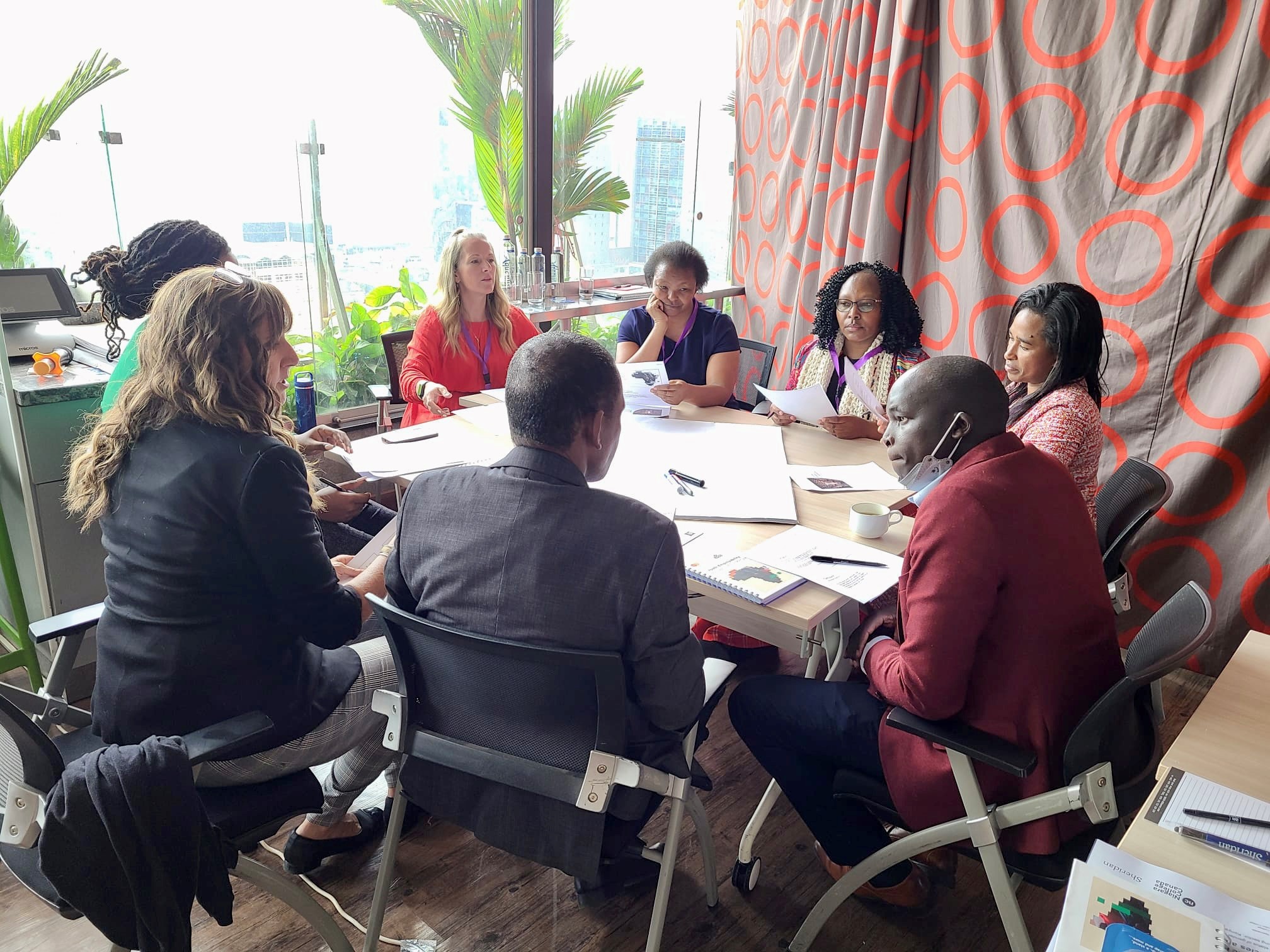
The most meaningful part of working on these projects for me was connecting with others who are relentlessly committed to change. Across both countries, I met educators and leaders who aren’t waiting for permission; instead, they’re pushing systems to evolve, creating new models of leadership, and committed to ensuring that gender equity isn’t just a policy, but a lived reality.
I think that global engagement isn’t about arrival or expertise; it’s about reciprocity. It’s about recognizing that knowledge flows in every direction and that the most powerful change happens when we move together toward common goals. For me, that means showing up with curiosity rather than certainty, listening first, and being willing to unlearn the ways we’ve been taught to “help.” Real partnership means understanding that expertise is contextual, that every community holds its own solutions, and that collaboration thrives when we make space for multiple truths to coexist.
About the Author
Jamie Oresar is a faculty member with the School of Liberal Studies.