By Dawit Eshetu, PhD.
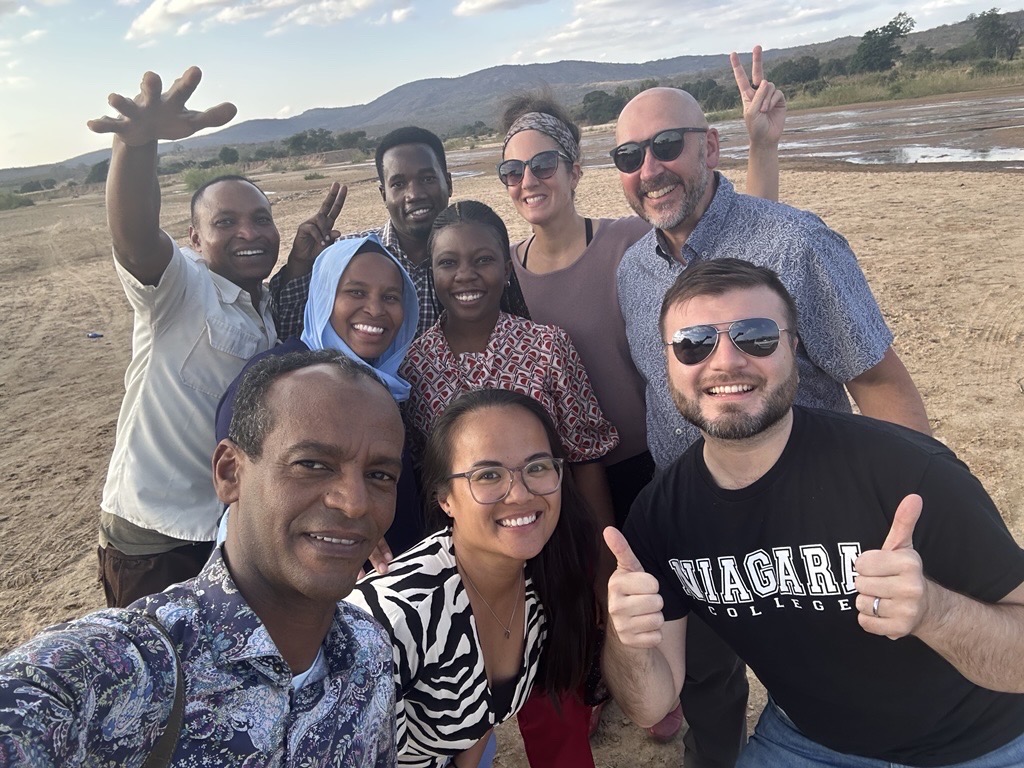
During my time in Tanzania with Niagara College’s Global Education Projects team, I discovered that community and inclusion are not abstract concepts — they are lived, everyday experiences built on mutual care, curiosity, and connection.
Mornings of Connection
This realization struck me while strolling through the streets of Tanzania during my travels with Niagara College’s Global Education and Seneca Polytechnic’s International Projects & Partnerships International teams. I was there as part of the Empowerment through Skills Program (ESP-05) — funded by the Government of Canada through Global Affairs Canada (GAC) through Colleges and Institutes Canada (CICan) — which provides alternative pathways to education, employment, and entrepreneurship for young people, particularly women.
The project delivered tangible results: vocational institutions and community-based organizations strengthened their capacity to deliver labour market driven and gender sensitive training. Yet my deeper takeaway wasn’t about project outcomes or metrics — it was about personal experience.
My favorite time of day in Africa is the morning. I may be biased, but mornings there feel magical. The first sounds — a blend of familiar and exotic birds, the cry of eagles, the cooing of doves, and the cheerful chirping of smaller birds — are joined by crowing roosters and barking dogs from nearby neighborhoods. A light breeze carries the scent of damp earth and local vegetation as the sun rises behind a chain of scenic mountains.
As people emerge from their homes and begin their daily routines, they pause to say “mambo” (hello in Swahili) and exchange a few warm words. In Tanzania, community is a way of life built on interdependence, shared responsibility, and collective identity. It’s the foundation of everything: economic support, social solidarity, identity, and well-being. Individual well-being is inherently tied to the well-being of the whole.
Small Moments, Lasting Impacts
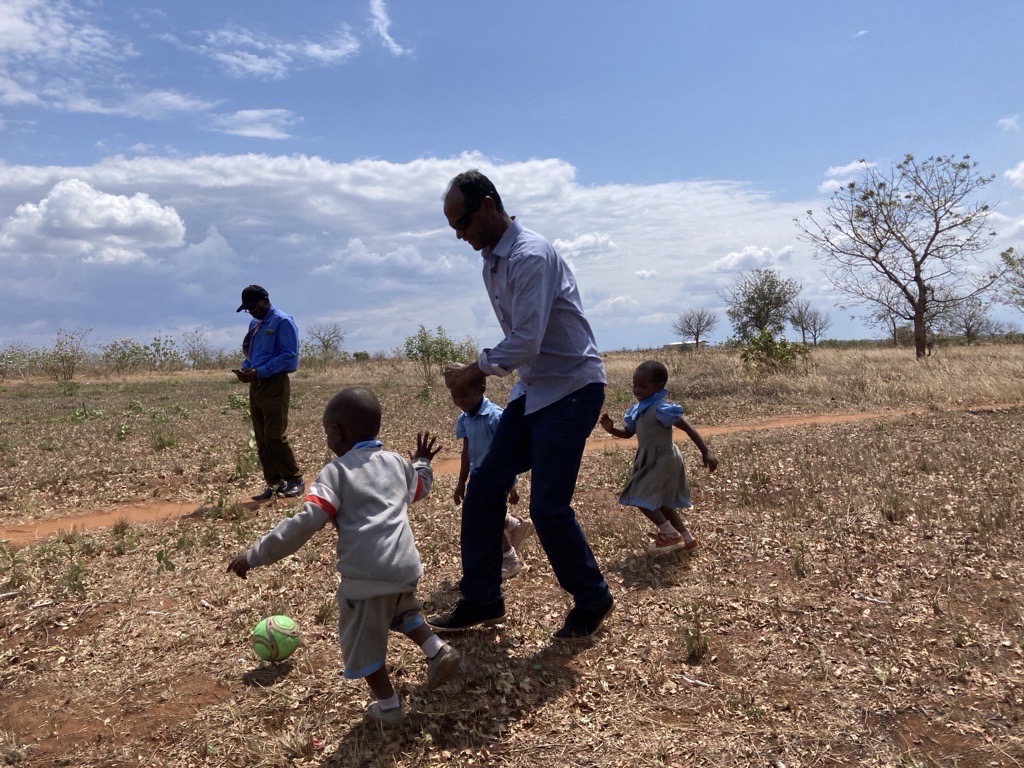
I realized that community building underlies understanding, harmony, and unity — and that it’s often created through everyday actions. I rode the notorious boda boda (motorcycle taxis) through town with strangers. I connected with ordinary Tanzanians through simple mambos and a few more Swahili words. I played soccer with cheerful kids on a hot, dusty field after a workshop.
Meals became shared experiences: chapati (flatbread) for breakfast, ugali na samaki (cornmeal porridge and fish) for lunch, and chips mayai (omelet layered with fries) followed by kachumbari (fresh vegetable salad) for dinner.
In those moments, I felt like part of a community.
A Broader Lesson on Inclusion and Community
Africa is a linguistically and culturally diverse continent, and that richness sometimes comes with challenges. Ethnic divisions have, in some places, led to conflict. Yet across the continent — and especially in Tanzania — there remains a deep sense of community, resilience, and pride in shared heritage.
Tanzania reminded me that inclusion begins with community and belonging. It’s about recognizing that we are all part of something greater than ourselves. I witnessed inclusion and community-building happen organically — through mutual understanding, collaboration, and shared responsibility. People looked out for one another not because it was required, but because it was part of their nature, humanity, and identity.
It all starts in the smallest way — with a simple mambo — and grows into curiosity, openness, respect, and community.
About the Author
Dawit Eshetu is a faculty member with the School of Business and a Subject Matter Expert with the Global Education Projects team at Niagara College.