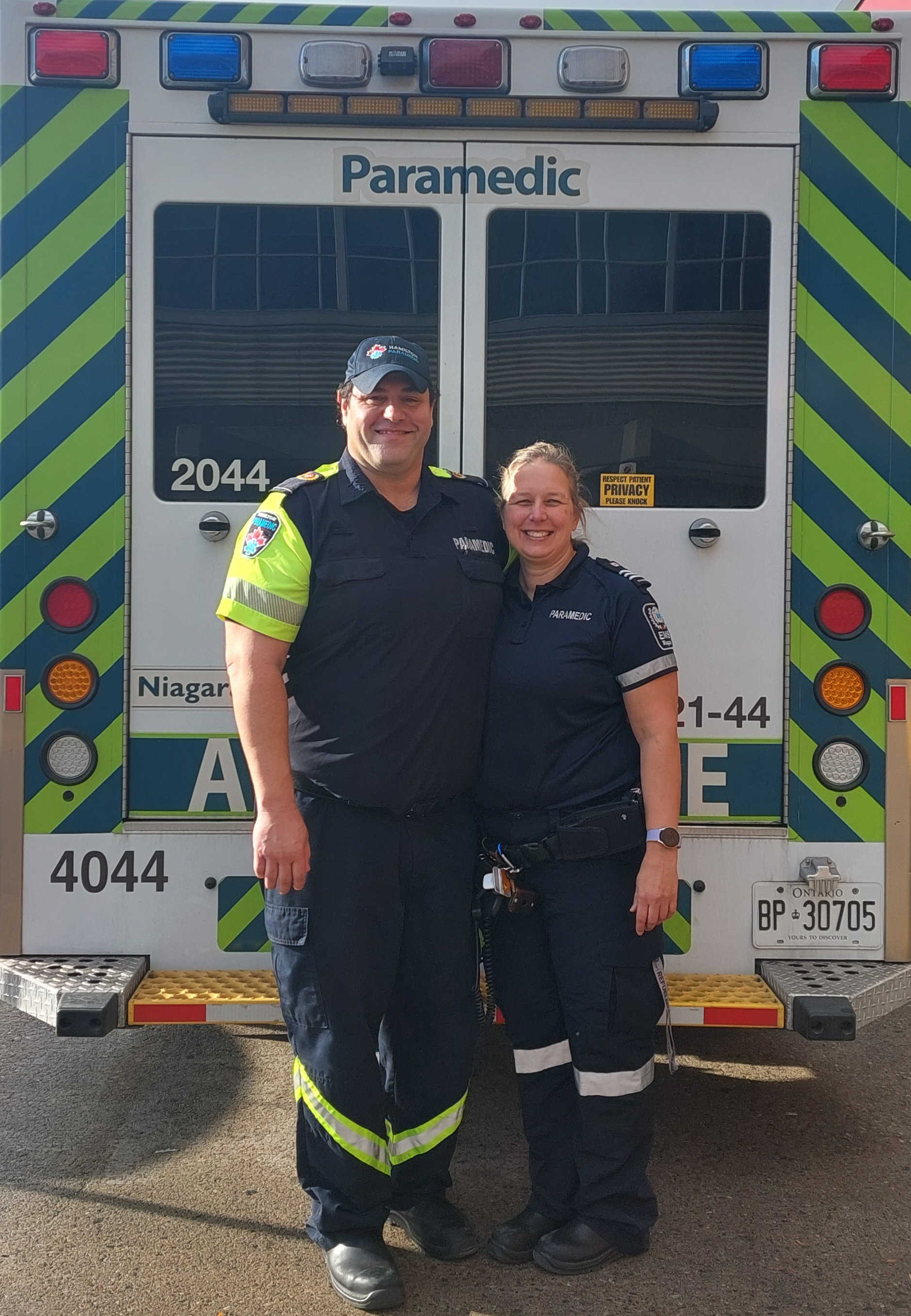
My name is Tina Annett, and alongside me through this has been my husband, also a dedicated paramedic. I’ve spent my adult life immersed in emergency services, driven by a passion to make a difference in people’s lives. Recently, I embraced a new challenge: becoming an Equity, Diversity, and Inclusion (EDI) catalyst supporting the Indigenous Ways of Knowing, Being, and Doing area of focus outlined in the EDI Blueprint.
The decision to take on this role stems from my aspiration to broaden my engagement within the college community beyond the confines of my department. With years of experience in emergency services, I saw the opportunity to become an EDI catalyst as a natural progression in my commitment to fostering inclusivity and understanding.
Over the past year, I’ve had the privilege of connecting with fellow EDI catalysts who share my vision of a more equitable and diverse college environment. Together, we are united in our mission to create a campus culture where every individual feels valued and respected.
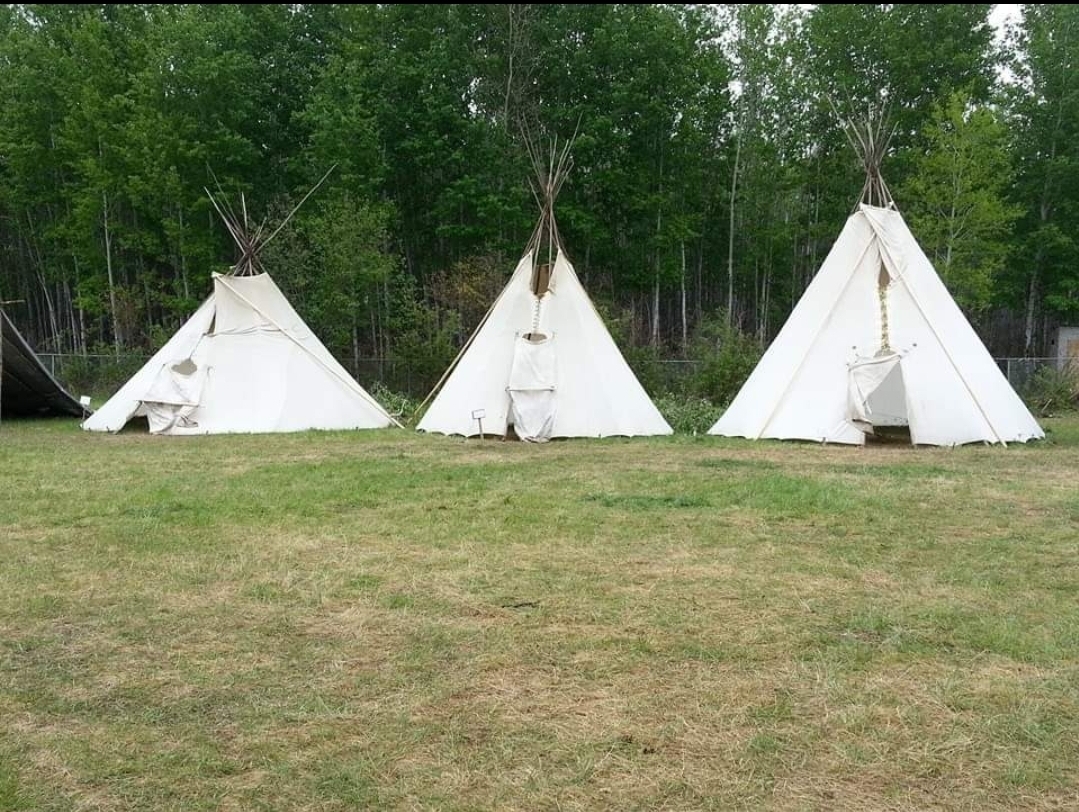
One particularly rewarding aspect of my involvement as an EDI catalyst is being able to work in collaboration with the Indigenous Education Team on the area of Blueprint, which focuses on Indigenous ways of knowing, being, and doing. This initiative resonates deeply with me due to my extensive experience working with diverse populations, including remote communities. As a registered member of the Métis Nation of Ontario, I believe it is my duty to make a difference in this area.
In my capacity as a paramedic educator, I strive to integrate EDI principles into our curriculum and practices. From incorporating Indigenous perspectives into classroom discussions, to advocating for student mentorship opportunities with organizations such as the Six Nations Ambulance Service, I aim to equip our future paramedics with the necessary skills to navigate diverse communities with cultural safety and respect.
As I continue to work with the team, my focus remains on expanding our EDI initiatives to ensure long-term impact and sustainability. Through programs and partnerships with local communities, I am working towards educating students on cultural safety, including trauma-informed approaches to healthcare.
Being a part of the EDI catalysts is not just about enacting change within our college community; it’s about creating ripple effects that extend far beyond our campus borders. By championing inclusivity and collaboration, we have the power to inspire others and catalyze positive transformations in society at large.
In conclusion, my role as an EDI catalyst is rooted in a commitment to Indigenous cultural safety and creating a more inclusive and understanding college environment. Together with my colleagues, I am dedicated to bridging diversity and building a future where everyone has the opportunity to thrive.