Phragmites Australis
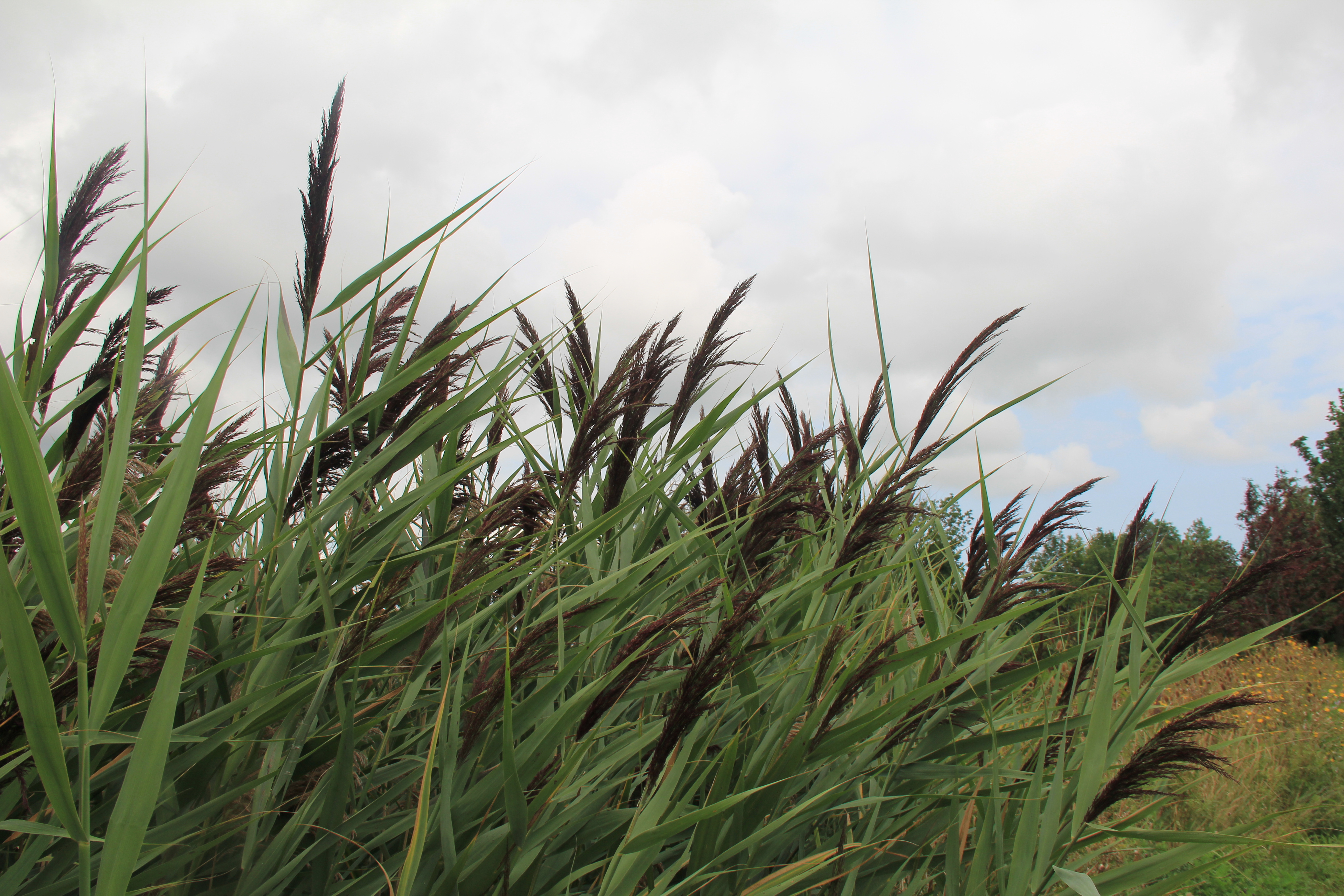
What are Phragmites Australis?
Phragmites Australis, also known as European Common Reed, is an invasive non-native phragmites, that is quickly taking over wetlands, drainage ditches and farmers fields. Phragmites Australis originated in Europe, but it is currently unknown the method of transportation, and some estimates suggest it was brought over in the 1800’s. This plant loves wet areas such as marshes and swamps, but can live anywhere there is water and soil. These invasive phragmites could be mistaken for their native cousins Phragmites Americanus, but the native phragmites species is less common and less vigorous than invasive phragmites.
Why are phragmites such an issue?
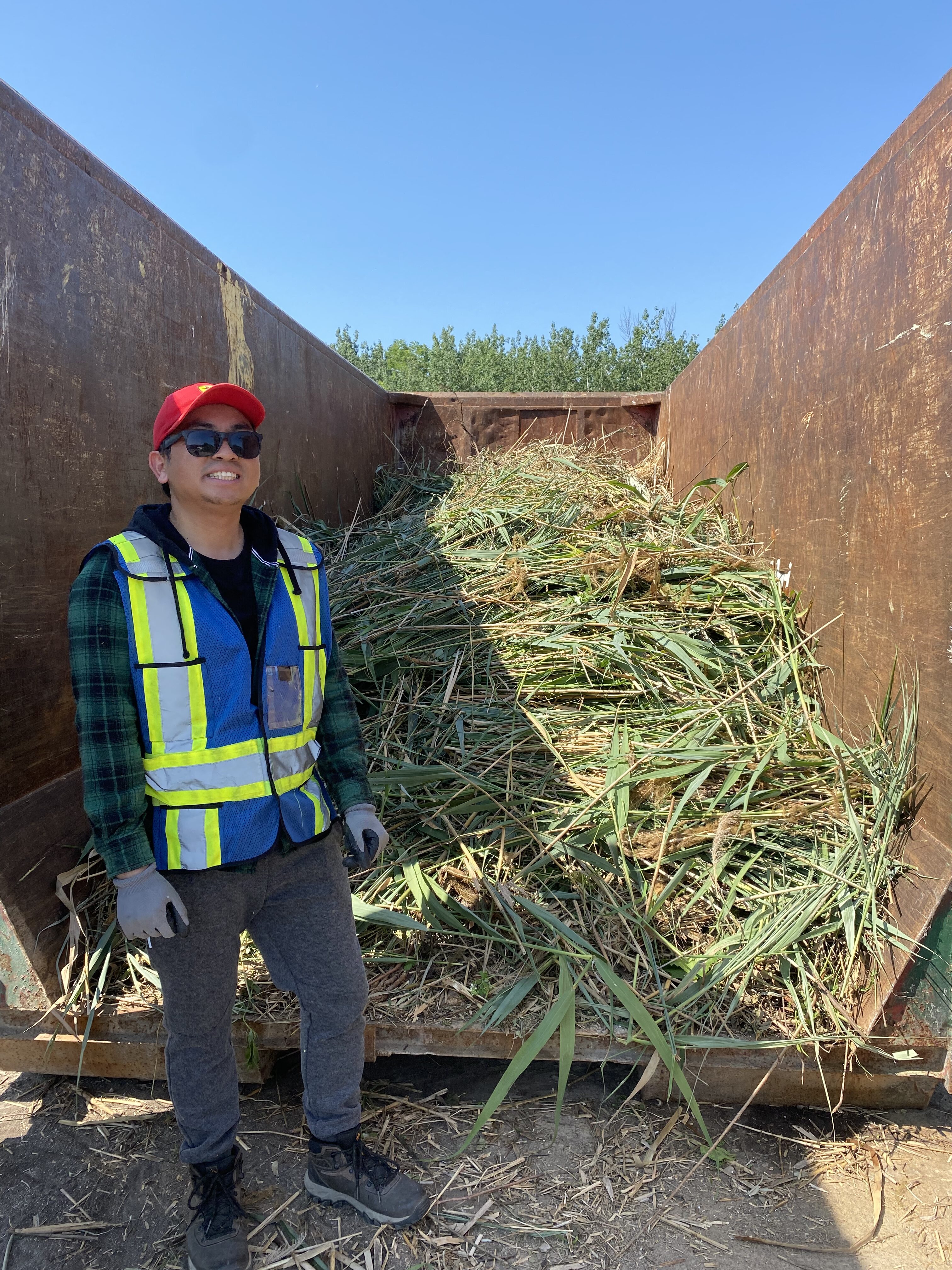
Once phragmites are introduced into an area, they will quickly begin to outcompete native plant species. Phragmites have no uses such as food, habitat, or nest materials for native organisms, so they will take over an area, pushing out native plants and the animals that rely on them. This will negatively impact the biodiversity of the area and can even create ecological “dead-zones” where nothing but phragmites live. Once they establish themselves in an area, altering soil chemistry and hydrology, they can prove very difficult and costly to remove and can return year after year they are not removed properly.
What is Niagara College doing about it?
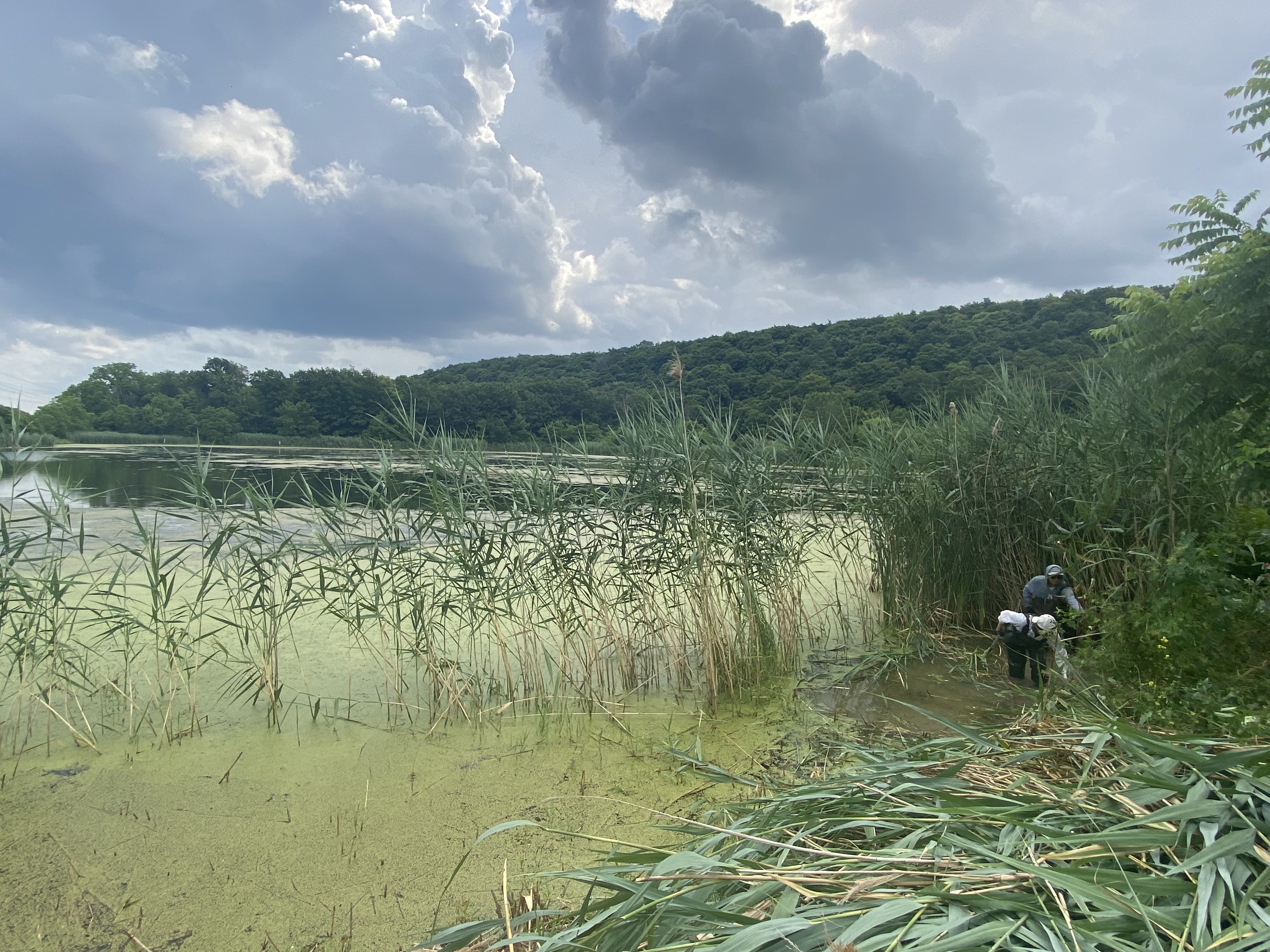
In 2022, students in the Ecosystem Restoration program presented project proposals to Niagara College’s grounds management team in regards to possible control methods. Niagara College has since partnered with the Invasive Phragmites Control Centre to control these invaders. A variety of methods on both campuses will be used to help contain the plant on both campuses. The first method being used is what is known as the “Cut to Drown” method. An area is selected where the phragmites roots are submerged in water, and then the plants are cut as close to the base as possible. The second method is a simple clear cutting method, where all phragmites in an area are cut down using a mower or line trimmer. The last method is the application of a pesticide, glyphosate. This is done by specially trained technicians, who carefully apply the chemical by hand. Other methods such as mowing and animal grazing were considered, but were found to be less effective.
Niagara College has recently partnered with the University of Toronto on a controlled released of two moth species, as a test site for their efficacy in killing invasive phragmites
Read this InsideNC article for more information!
What can I do to help stop phragmites?
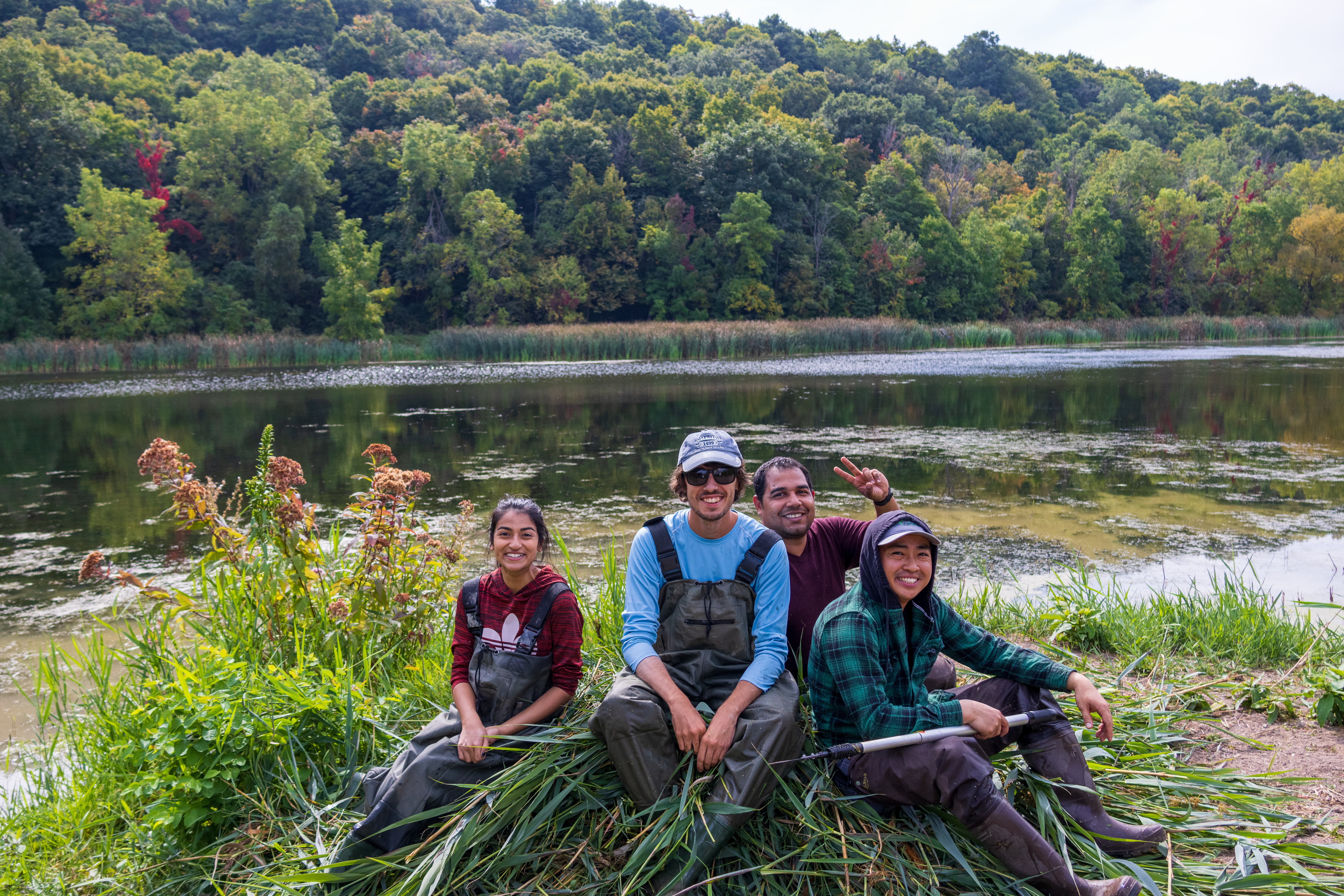
If you have phragmites on your property, the best thing you can do is contact a professional company such as the Invasive Phragmites Control Centre to have them removed. You can also help stop the spread of invasive species by encouraging local biodiversity, and cleaning off your hiking shoes prior to entering and leaving outdoor spaces. Planting native species in your garden can also help build resilience against these invaders. This has the added benefit of attracting beautiful native species to your garden!