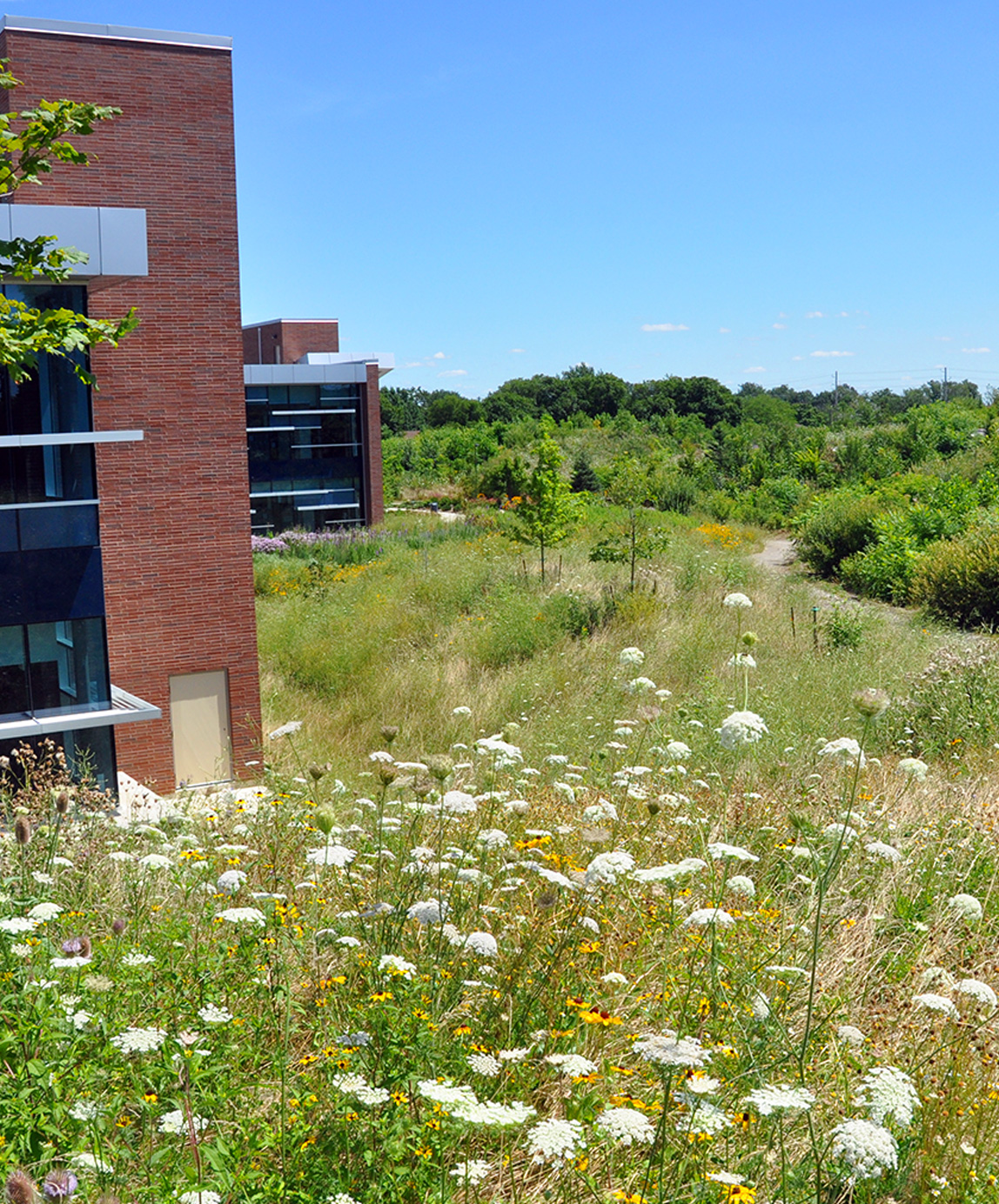
Campus as a Living Lab

Our campuses have become a platform for multidisciplinary, active, and experiential learning – not as an ancillary benefit, but by design for not only our students, but for our employees and community members. The NC mission is to provide outstanding applied education and training for a changing world, and the campuses provide a wide range of students with valuable hands-on skill building opportunities outside the classroom, and a platform for engaging and educating employees, and community members.
Daniel J. Patterson Campus in Niagara-on-the-Lake
Wetland System
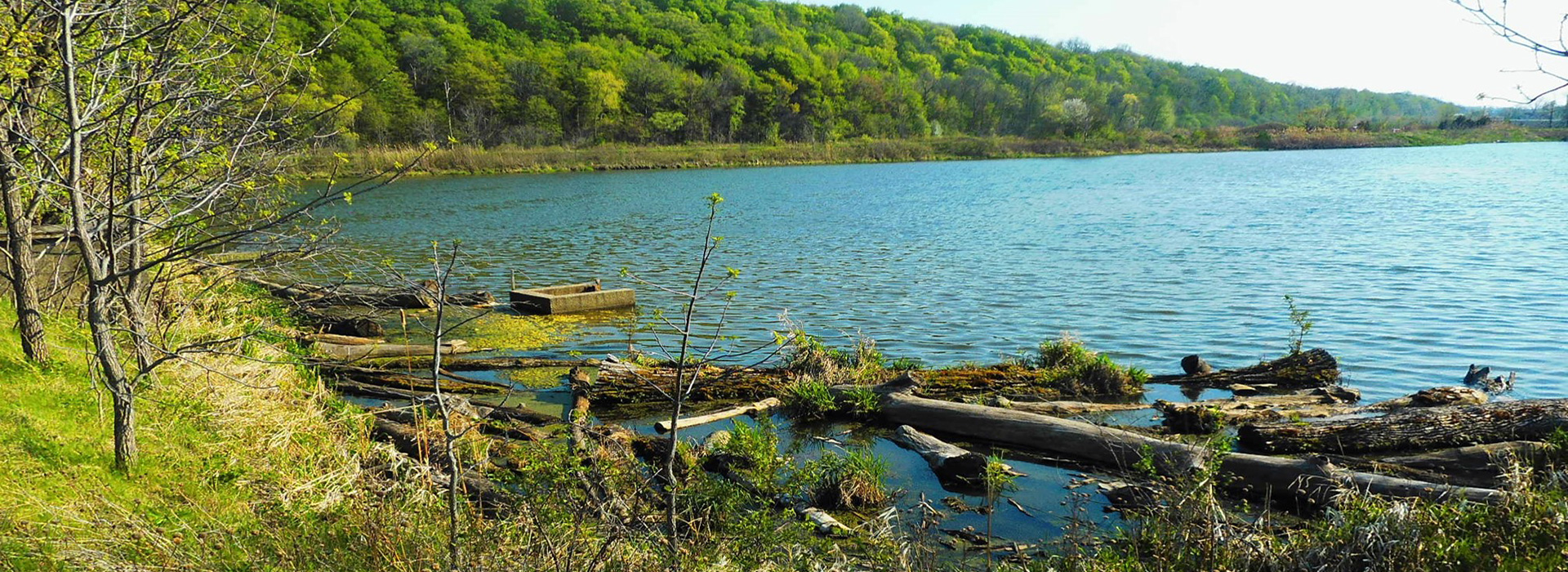
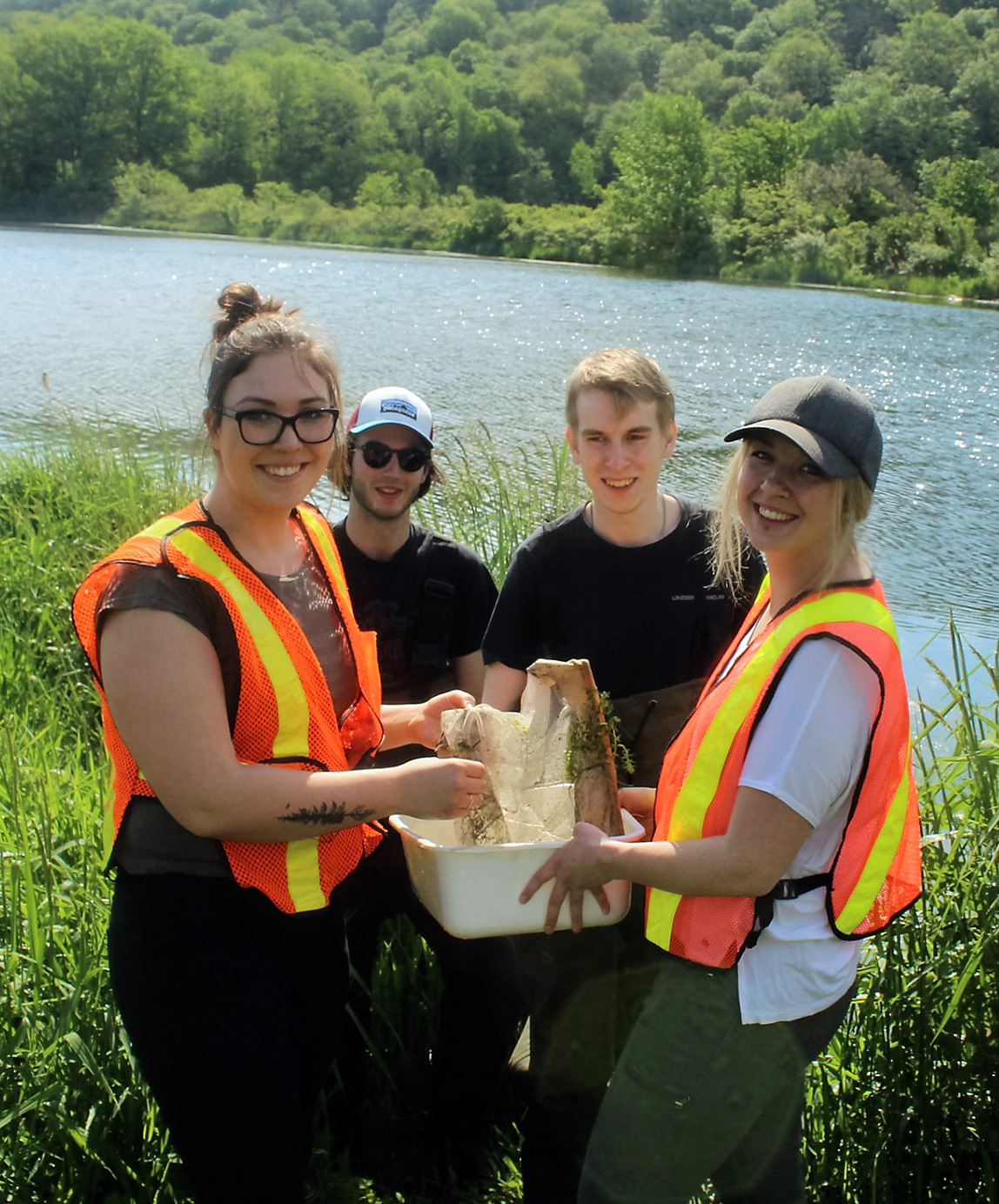
Our restored wetlands have provided a platform for numerous student projects and initiatives that all enhance student learning on campus.
Some of the features within the wetland system include: a turtle nesting area, snake hibernaculum, habitat structures, outdoor classroom, First Nation, Métis, and Inuit Garden, and Teaching Greenhouse.
Related programs
Campus Features
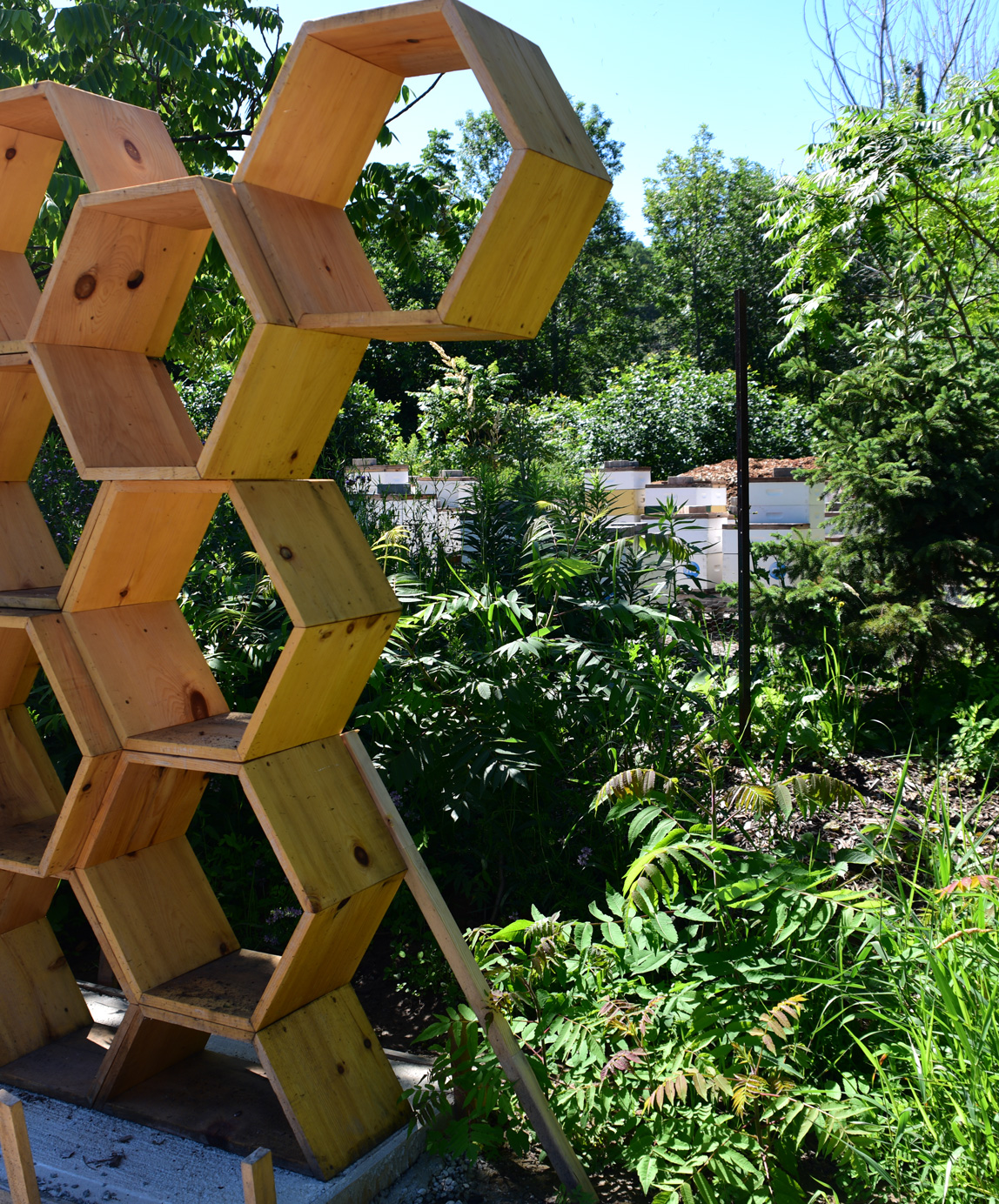
There are many other features on campus that act as a living lab for our students! They include the chef’s garden, the aquaponics system, Teaching Winery and vineyard and Teaching Brewery and hops yard, apiary and more.
Related programs
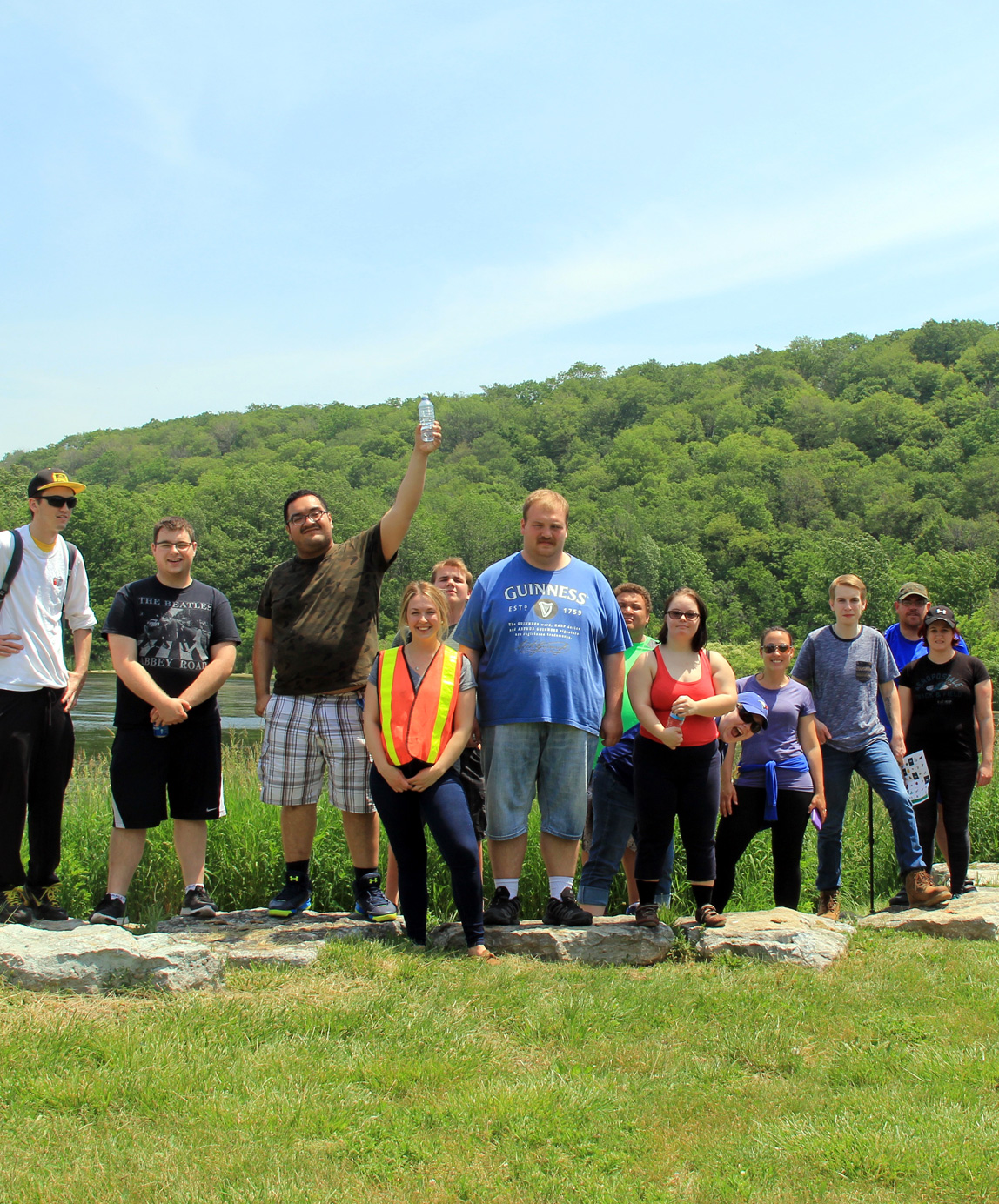
Hiking Trails
NC is also home to the Wetland Ridge Trail, which is a side trail off of the main Bruce Trail, as well as a portion of the Laura Secord Legacy Trail.
Wetland Ridge Trail (1.1km)
The trail begins at the Niagara College Teaching Greenhouse. It follows our vineyard and wraps around our reclaimed wetlands. Visitors can stop and enjoy and the First Nation, Metis, and Inuit Garden or rest at the outdoor classroom. See and enjoy the many species that make our wetlands home! Follow the trail up the escarpment to join the Bruce Trail as it follows through Woodend Conservation Area.
Please note the top of the trail follows the slope of the Escarpment and has loose stones. Be sure to wear proper footwear.
Laura Secord Legacy Trail
A portion of the Laura Secord Legacy Trail runs through our campus. The full trail spans 32 km of Laura Secord’s journey from the Secord Homestead in Queenston to Decew House Heritage Park in Thorold.
For a turn-by-turn guide of the trail, and to learn more about Laura Secord, visit The Friends of Laura Secord.
Welland Campus
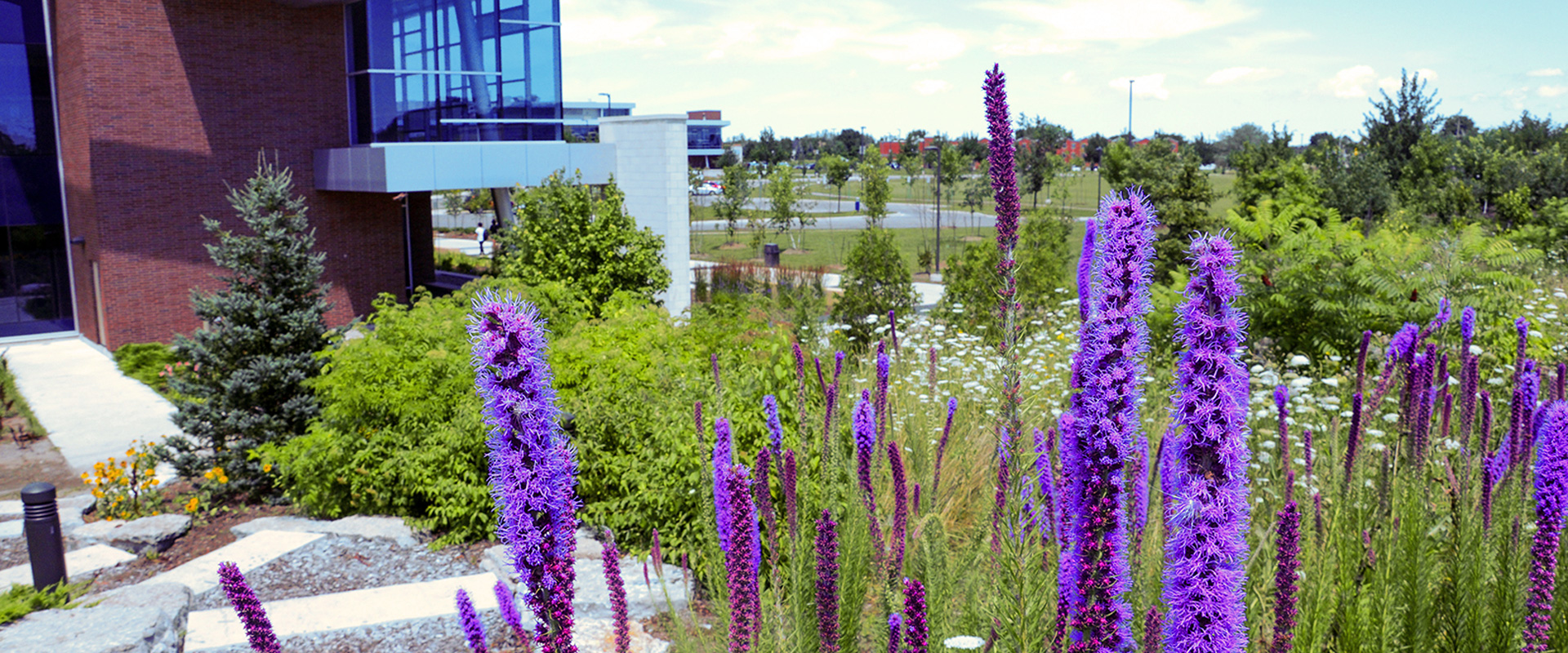
Renewable Energy
The Welland Campus features a number of renewable energy sources including solar, geothermal, and a small demonstration wind turbine that are all used by our Renewable Energy Technician students. The campus also features green roofs.


Green Lung Plan
Our 30 hectare campus is a significant green space in nestled in a residential community within the City of Welland, and we’ve been working to return it to a natural, self-sustaining state.
- Embrace a long-term strategy of restoring and re-establishing large scale Regional plant communities.
- Include open public space for students and the community, while creating a living and sustainable legacy through naturalization.
- Reduce water consumption used for irrigation.
- Increase canopy tree cover and rebuild natural woodlots.
- Restore and preserve the many vegetation communities on campus, including wetland, meadow and thicket.