
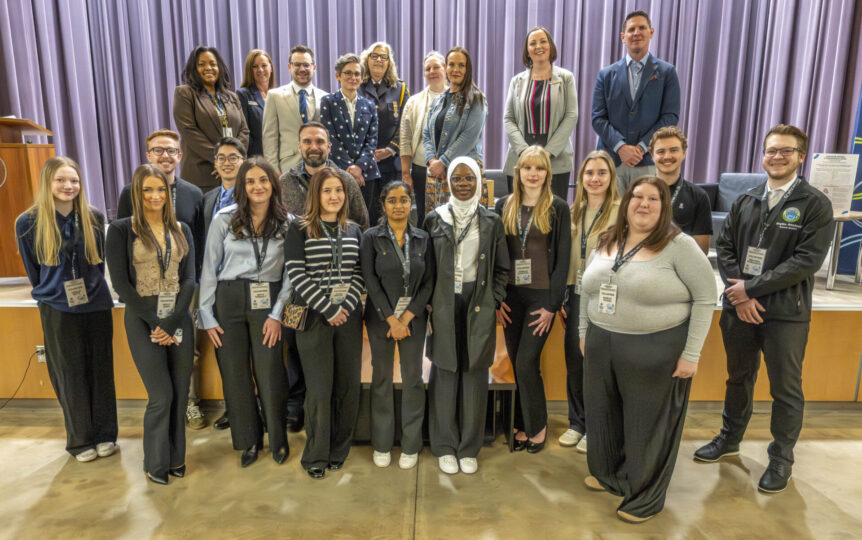
The future of healthcare took centre stage at Niagara College’s Welland Campus as a distinguished roster of local leaders gathered to prepare the next generation of professionals for the field.
The one-day event, “Connected Care: The Landscape of Preparing Today’s Learners for Tomorrow’s Healthcare System,” was organized by NC’s Myhal School of Nursing and the Centre for Research in Education. The summit drew more than 200 students to the Applied Health Institute auditorium from diverse programs, including nursing, personal support work, paramedicine, dental health, and pharmacy.
Dr, Sinead McElhone, NC Dean of Health Sciences, emphasized the vital necessity of interprofessional unity in a modern clinical setting.
“Patients don’t experience care in silos and neither can we,” said McElhone. “Collaboration is what makes care safer, stronger, and more human.”
She reminded the audience that leadership is a daily practice rooted in empathy and humility rather than a mere title on an organizational chart.
“Leadership happens when you ask questions, support your colleagues, speak up for patients, and look for ways to improve care,” she said. “No matter your role or stage of training, you have the ability and the responsibility to lead.”
McElhone urged students to remain curious and see themselves as active contributors to systemic transformation through research and evidence. She encouraged them to seize every opportunity to refine their expertise.
“While your individual professions matter deeply, your ability to work across professions will matter even more,” said McElhone.
Lead organizer Dr. Holldrid Odreman, Program Coordinator for NC’s Honours Bachelor of Science in Nursing (BScN) program, described the event as a resounding success.
“This conference represents a significant milestone for Niagara College. For the first time, we have assembled a collection of high-profile industry giants specifically to help prepare our students for the rapidly shifting realities of healthcare,” said Odreman.
He expressed gratitude to the guest speakers for contributing their time and expertise.
“Thank you for your insights, your inspiration, for helping us advance our collective thinking on preparing today’s learners for tomorrow’s health care system,” he said.
Odreman also credited the conference planning committee, VP Academic Dr. Fay Lim-Lambie, and Dean McElhone for their advocacy, alongside the many faculty, staff, and student volunteers who made the day possible. “It was a team effort to put this together.”
-
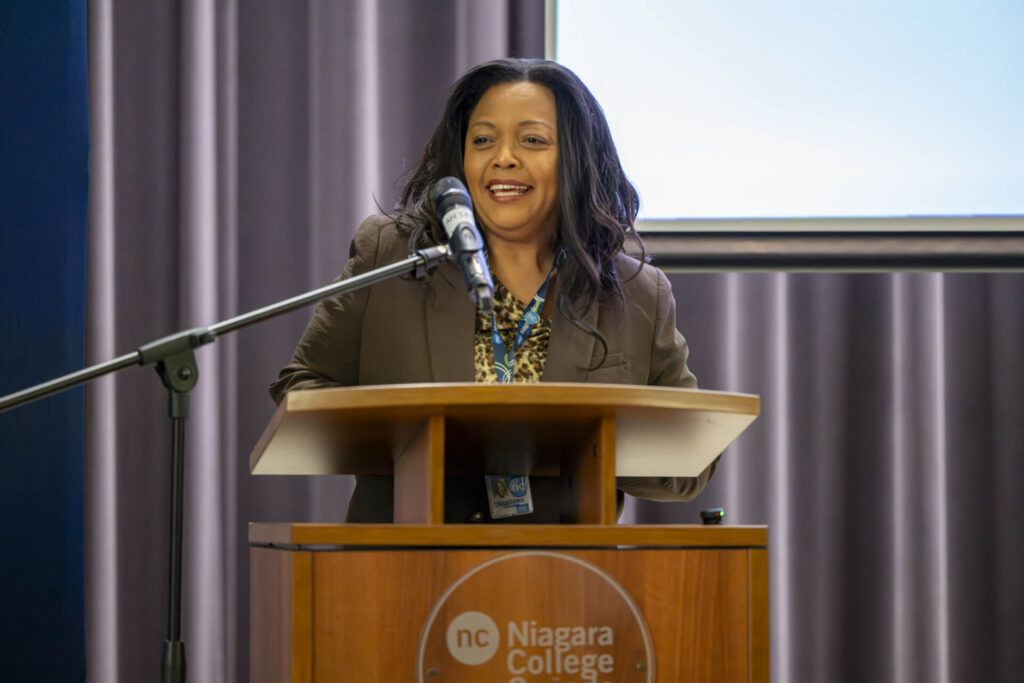
- Dr. Fay Lim-Lambie
-
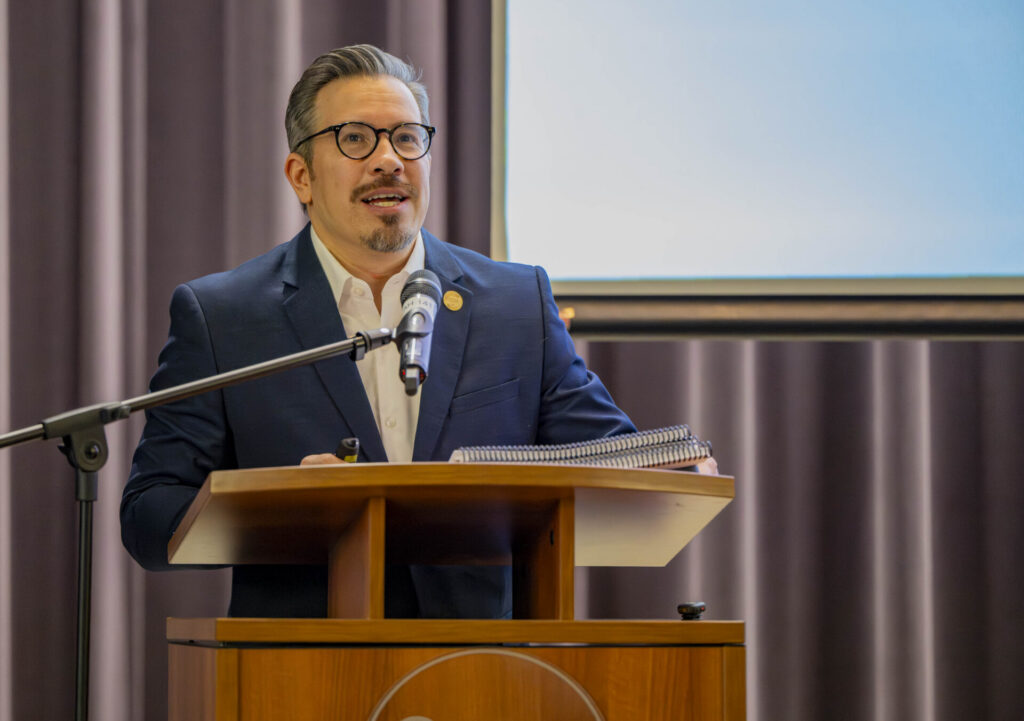
- Dr. Holldrid Odreman at the Connected Care conference on March 30
-
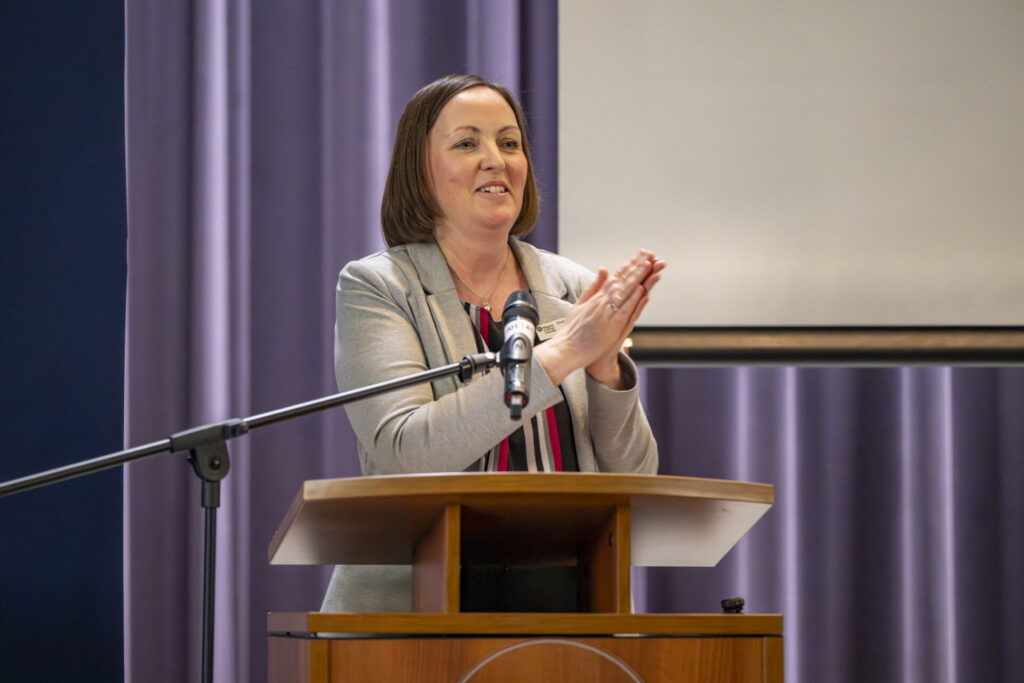
- Dr. Sinead McElhone
Leading the way
-
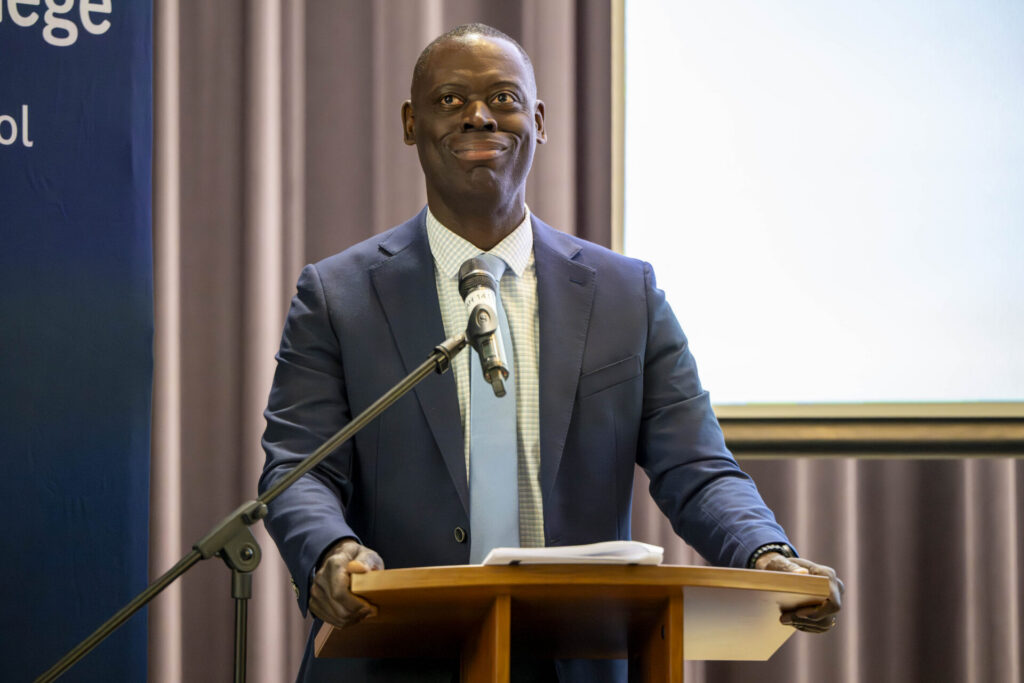
- Simon Akinsulie
-
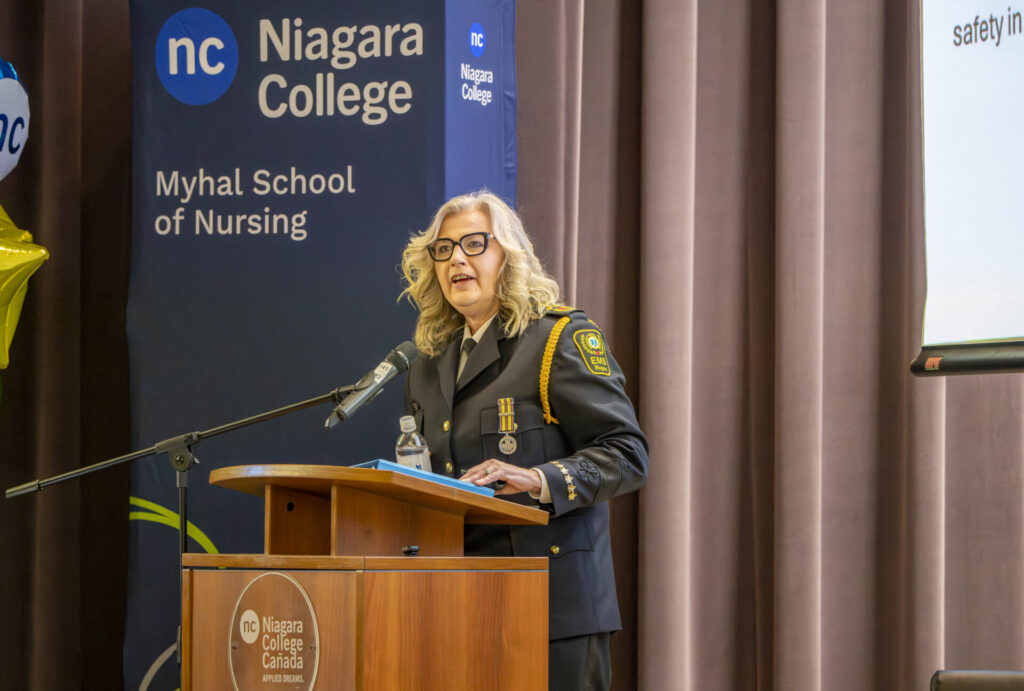
- Karen Lutz-Graul
The event featured keynote addresses from Simon Akinsulie, Executive Vice-President of Clinical Support and Chief Nursing Officer at Niagara Health, and Karen Lutz-Graul, Chief of Niagara Emergency Medical Services.
Akinsulie’s presentation focused on three fundamental pillars at Niagara Health: putting people first, delivering safe and quality care, and transforming operational methods. He detailed initiatives such as inclusive workplaces, “NH at Home” support, and the anticipated opening of the South Niagara Hospital in 2028.
He also celebrated the partnership between Niagara Health and NC, noting shared initiatives like the NH Knowledge Institute Summer Student Research Scholarship and clinical placements that provide a vital workforce pipeline.
He concluded with a quote from Florence Nightingale: “Let whoever is in charge keep this simple question in her head – not how can I always do this right thing myself, but how can I provide for this right thing to always be done.”
Lutz-Graul, an NC alumna who graduated from NC’s Class of 1990 (Ambulance and Emergency Care), shared her 30 years of experience in the field. She spoke about how leadership is far more than a designation.
“Leadership in health care begins the moment you step into it. Whether you’re in an ambulance, whether you’re in a hallway, whether you’re in a clinic or private residence. Your journey is just beginning,” she said.
Lutz-Graul explained why adaptable leadership is essential in a tech-driven landscape.
“Tech is constantly changing the way we deliver health care. Covid taught us that, just when you think you have a protocol next week, it’s going to change – new technology, treatments,” she said. “Because of this, strong leadership at every level is essential to help teams adapt, stay organized and continue to provide safe and effective health care.”
View: Niagara EMS Chief Karen Lutz-Graul: ‘Leadership is a behaviour, not a title’
Industry perspectives
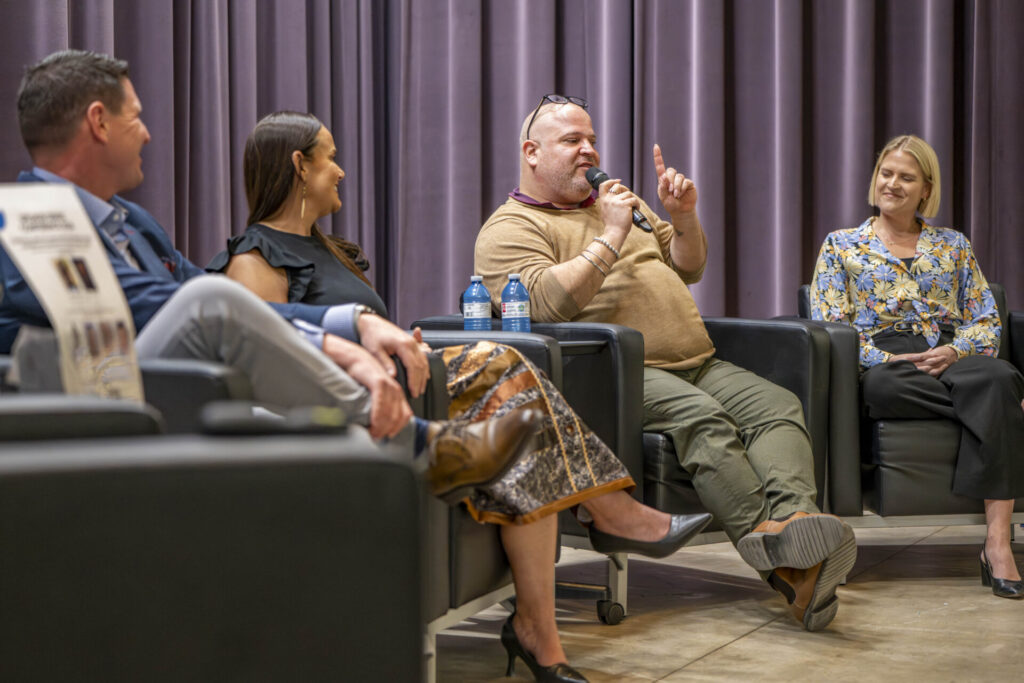
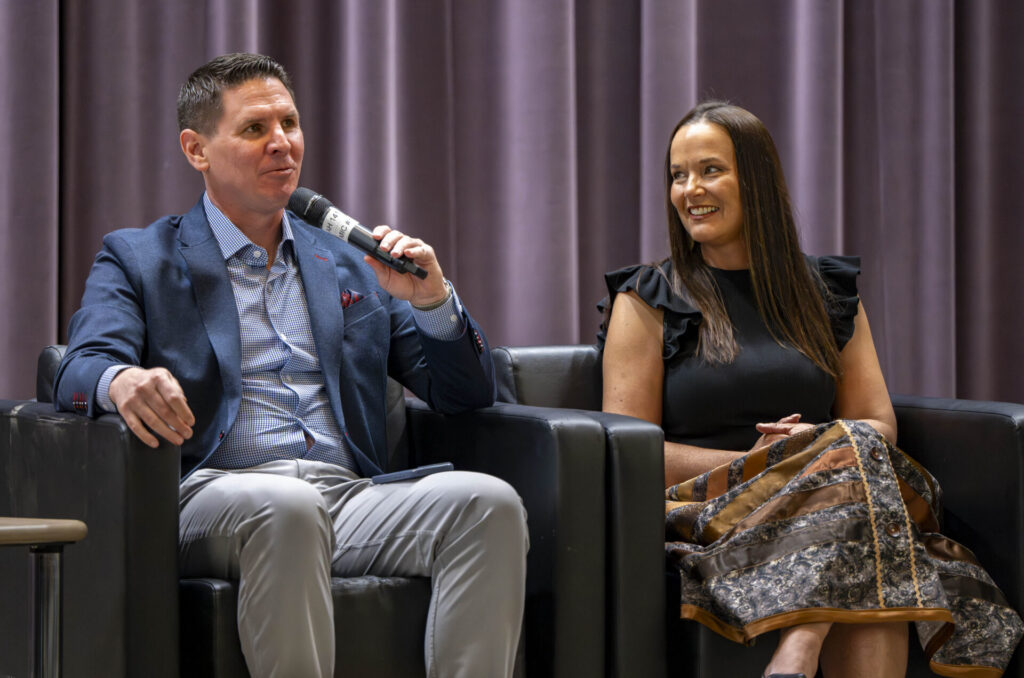
Students participated in a Q&A session with an expert panel including Carolyn Dyer (Executive Director, REACH Niagara), Charity Beland (Manager, Indigenous Health Services and Reconciliation, Niagara Health), Frank Ruberto (Executive Director, Niagara Medical Group Family Health Team), and Sean Simpson (Pharmacist, Simpson’s Pharmasave).
Dyer, whose organization actively supports student placements, focused on the importance of equity and person-centred care.
“As an organization who actively supports healthcare placements, we believe firmly in building the skillsets in the future of our healthcare system,” said Dyer. “With the prevalence of the social determinants of health and the inequities that exist in our traditional healthcare system, it is essential that we are bringing an awareness of this and building capacity to better equip future healthcare professionals to understand the linkages between health and individual circumstances while honoring person-centred care.”
For Frank Ruberto, returning to his alma mater was a significant moment. As a graduate of NC’s Medical Office Administration and Office Administration programs, he noted that his team currently hosts NC nursing students and employs several alumni.
“Primary care is ever changing, with different funding, teams, priorities, policies, expectations. It is important to understand what the role is and what is required,” he said.
Simpson highlighted the “mission critical” roles that pharmacy technicians and assistants play in daily operations, which allows pharmacists to focus on patient-facing services.
“I think it’s critically important to be able to share experiences that can help students to understand the wide range of opportunities that are available to them,” he said.
Empowering student research
-
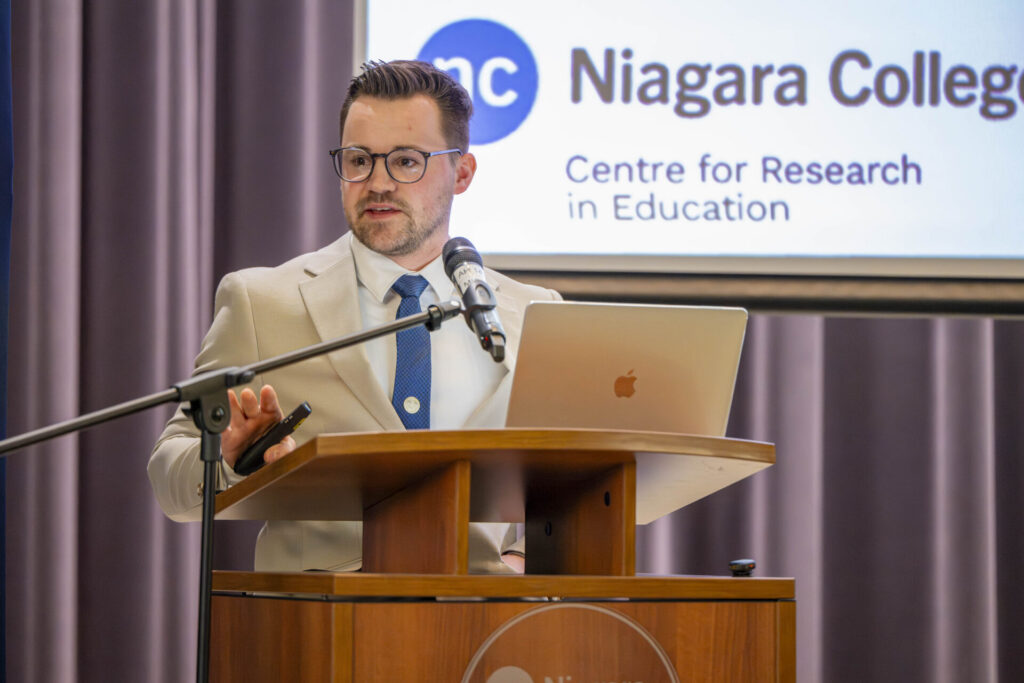
- Christian Baltus
-
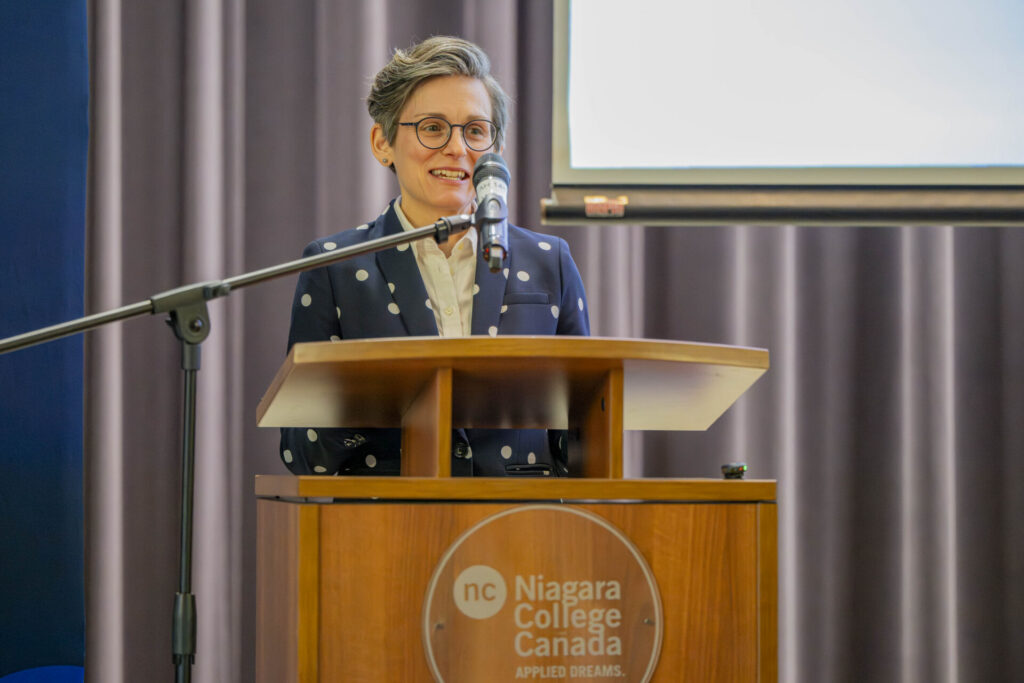
- Elaina Orlando
The session also highlighted student research, co-led by Niagara Health Director of Research Elaina Orlando and second-year BScN student Christian Baltus. Baltus, who also served on the planning committee, wanted to demystify the research process for his peers.
“It is important to highlight that research is not reserved for advanced practitioners or graduate studies; it is something students can actively engage in and use to shape their learning and the future of their profession,” said Baltus.
Orlando provided an overview of the Niagara Health Knowledge Institute (NHKI), stressing the importance of a professionalized clinical research workforce within community hospital settings.
“I think it is important for students to understand the type of research happening locally and in a community hospital setting so that as they pursue their careers they are informed about how research fits even in environments not typically associated with clinical research,” said Orlando.
