
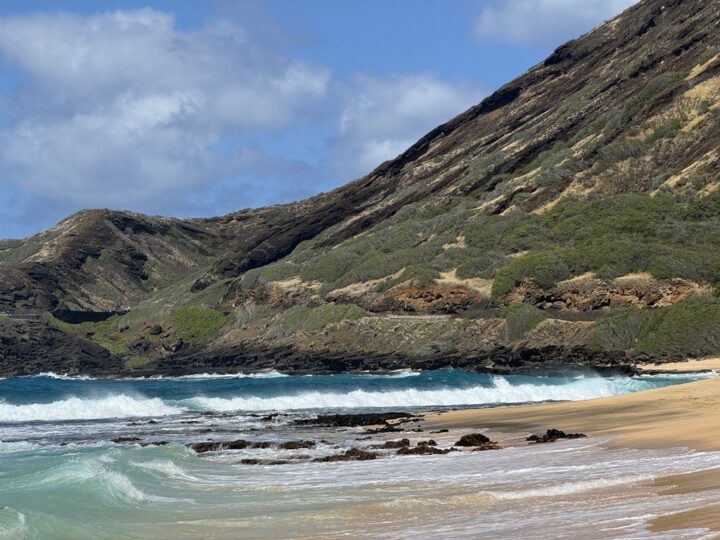
This February, 12 Niagara College students will travel to Hawaii where they will come together for a profound, land-based learning experience that will provide space for the reclamation and restoration of identity through shared storytelling, community service and reciprocity with The Kanaka Maoli, the Indigenous people on the island of Oahu.
Offered in partnership with the University of Hawaii, the College’s newest Be World Ready (BWR) experience – Weaving Stories – Reclamation and Restoration of Indigenous Identity – will offer participants the opportunity to build relationships while participating in cultural and spiritual land-based experiences.
“This Be World Ready experience started as a dream,” said Maxine Semple, Associate Director, Cultural and Global Engagement. “For years, I’ve wanted to offer a global land-based learning experience through the BWR program that would support learners of various backgrounds to really dig in and understand our responsibility around truth and reconciliation and now, through the partnership of NC’s Indigenous Education department and the University of Hawaii, that dream is becoming a reality.”
“Hawaii has always been somewhere that resonated with me because the Indigenous People of Hawaii and Canada have very similar stories of colonization and reclamation of identity,” shared Leah Hogan, Director, Indigenous Education, who will be joining students on the trip along with Karl Dockstader, Indigenous Education, Cultural Advisor and Aria D’alimonte, Indigenous Culture and Events Coordinator. “Through this experience, our students will be empowered to connect with and learn from other Indigenous People as we work to create a global awareness of community, sharing our similarities and our differences as we work towards reclaiming our identity.”
This ten-day trip will provide students with a blend of professional development and hands-on cultural experiences, including building community garden beds, learning about ancient Hawaiian food systems, contributing to service learning at fishponds and working alongside Indigenous youth at an organic produce farm. The trip will highlight land-based learning opportunities that bring together layered concepts, including the importance of language, the geography of stories, land protections and rights, relationality and accountability, a connection to reconciliation, and much more.
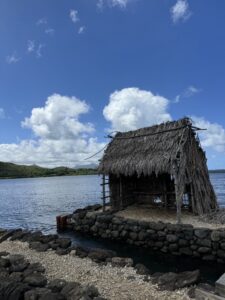
NC students will travel to Hawaii for a ten-day BWR experience.
“This BWR experience is all about contributing to community and grounding ourselves,” said Hogan. “The trip isn’t about extracting an experience, it’s about giving back to the land and to the people of Hawaii. It’s about building relationships and setting intentions that will help all of us (both Indigenous and non-Indigenous Peoples) to reflect on our role in supporting each other in a good way.”
Partially funded through the Embark Student Foundation and the Indigenous Student Success Pathways Project, this BWR experience is the first Indigenous-focused trip offered through the Be World Ready program at the College – an experience that Semple believes will have a long-lasting impact on participants .
“During the development of this trip, both Leah and I experienced incredibly powerful moments of cultural sharing with our partners in Hawaii,” said Semple. “As a settler, to be invited into these moments was transformative and has changed the way I see and approach relationships. I’m looking forward to witnessing the growth and impact these moments have on our students during their time in Hawaii and beyond.”
As part of its commitment to the understanding and advancement of Truth and Reconciliation, the College has also invested in various land-based learning experiences for employees. In 2023 and 2024, NC employees travelled to Coast Salish Territory in North Vancouver to participate in immersive land-based programs designed to provide an entry point into learning how to put truth and reconciliation into practice. These experiences were the catalyst for NC’s Be World Ready experience in Hawaii.
Looking ahead, both Hogan and Semple hope that this one-of-a-kind BWR experience will continue to grow, allowing more NC students to build lasting relationships with other communities while advancing their knowledge about Indigenous Ways of Knowing, Being and Doing.
