Paddling Together: Indigenous Education Strategy
Our College is shaped by the people who learn, work, live and gather here, and by the enduring presence of Indigenous Peoples on these lands. Located on the traditional territory of the Haudenosaunee and Anishinaabe Peoples, and home to First Nations, Métis, and Inuit Peoples today, our College is enriched by Indigenous knowledge, perspectives, and ways of knowing, being and doing.
Our journey as a college community is ongoing, shaped by where we have come from and where we are going. Here in Niagara, the river – where Lake Erie meets Lake Ontario – offers a deeply meaningful metaphor for that journey as a living ecosystem of continuous growth, connection, and belonging.
A strong metaphor for our college community is the canoe on the river. Our success depends on how we move together.
Paddling Together reflects our commitment to relationship, reciprocity, collaboration, and collective responsibility as we navigate the waters ahead.
Niagara College’s Indigenous Education Strategy is our commitment to continuing this work together through listening, learning, and centering Indigenous knowledge and perspectives.
By drawing more fully on the diverse knowledge, perspectives and experiences within our community, we can create a place where Indigenous learners continue to thrive, feel a stronger sense of belonging, connection, support and representation, and have meaningful opportunities to share their voices and shape the future of NC. It also recognizes that all of us have a role to play as informed learners and contributors to meaningful Reconciliation.
This strategy is the result of Indigenous leadership and the contributions of many across our College community. I extend my sincere gratitude to the students, employees, Indigenous Education team, the Indigenous Education Management Circle and the Indigenous Education Strategy Committee whose wisdom and perspectives have helped shape this strategy.
Paddling Together is an invitation: a shared commitment to deepening our relationships and strengthening a learning and working environment where diverse knowledge and perspectives can continue to shape our future as a College. This strategy benefits the whole College as a framework to listen, to learn, and to move forward together.
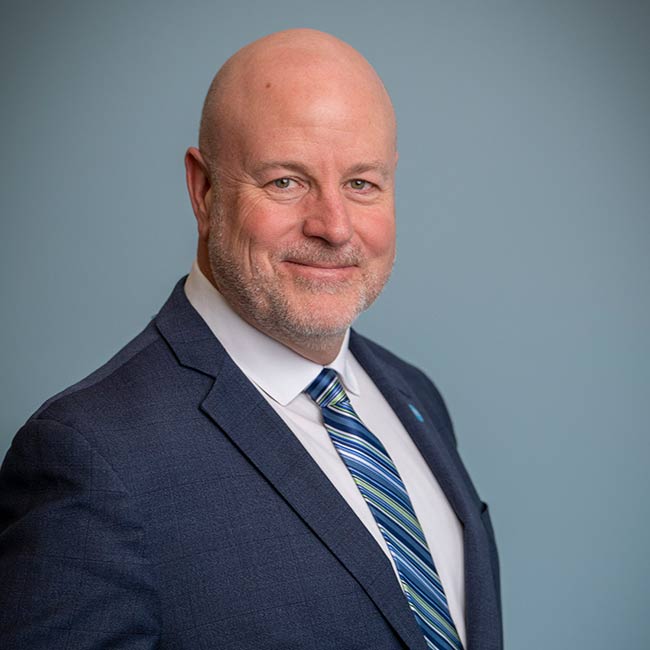
Sean Kennedy

The journey toward Niagara College’s Indigenous Education Strategy has been deeply meaningful. What began as an opportunity to reflect on where we are as a college has grown into a collective experience of listening to and learning from one another, imagining what is possible for education.
Paddling Together speaks to the spirit of this journey. Through consultations, surveys, conversations, and teachings, we have listened to our Indigenous partners, our students, and our Niagara College community, creating space for many perspectives to help shape our collective path forward toward our commitment to Truth and Reconciliation and Indigenization.
It has been an honour to see the knowledge, experiences and perspectives of our community reflected in this strategy. While the journey has not always been easy, it has brought us a deeper understanding of where we need to go and the work that remains ahead. This strategy provides a foundation from which we can continue to learn, grow and strengthen our relationships.
Moving forward requires all of us to play a role, to listen to one another, learn from one another and work together. I am sincerely grateful and humbled to everyone who shared their time, knowledge, stories, and experiences to help shape this strategy.
By paddling together, we can create a college community where Indigenous knowledge, perspectives and voices are respected, valued, and shape our collective direction for meaningful change.
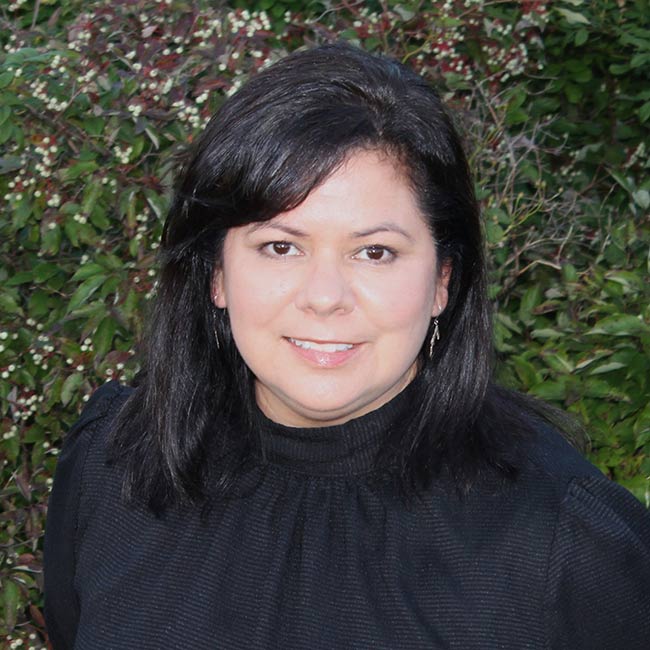
Leah Hogan

Niagara College (NC) has been committed to increasing access and inclusion to postsecondary education for First Nation, Inuit, and Métis (Indigenous) Peoples with scholarships, partnerships, and services. For many years, our Indigenous Education (IE) department and the Indigenous Education Management Circle (IEMC) have advocated for Indigenous students, employees, and the wider Indigenous community. The growing desire for the IE department to consult, collaborate, and contribute to academic and administrative initiatives highlights the need for a comprehensive plan to define a clear vision, goals, and responsibilities for Indigenous education across the College. To that end, this strategy articulates a direction for Indigenization and Indigenous education at Niagara College.
To ensure a meaningful and inclusive approach, Paddling Together: Niagara College’s Indigenous Education Strategy was guided and co-created by an Advisory Committee comprised of Indigenous staff, IEMC representatives, and non-Indigenous colleagues. This Strategy reaffirms NC’s ongoing commitment to Reconciliation with Indigenous students, employees, and community, and was generated from an Indigenous lens through Indigenous-led research and engagement. It establishes a clear vision and strategic priorities, with a strong emphasis on the relationships necessary to drive positive change.
Niagara College is a dynamic learning ecosystem that encourages shared knowledge, respects authenticity, strives for inclusion, and gives back in ways that are mutually beneficial to the College and Indigenous communities. This learning ecosystem is based on reciprocity and incorporates Indigenous ways of knowing, being, and doing into all aspects of the College.
Indigenous learners at Niagara College are seen and respected for their whole selves, while pursuing an education that aligns with Indigenous ways of knowing, being, and doing. When Indigenous learners excel, Indigenous communities are strengthened, the region of Niagara benefits, and the wellbeing of Canada is enhanced.
This strategy is underscored by four key principles: respect, reciprocity, openness, and Indigenous leadership. These principles are fully realized through actionable commitments to develop collaborative partnerships, form alliances to meet community needs, fulfill the Truth and Reconciliation Commission Calls to Action, and align with the Colleges and Institutes Canada (CICan) Indigenous Education Protocol.
Our strategy recognizes and actions a pathway to continue our Reconciliation journey, paddling with Indigenous employees, students, and community. It was developed with an Indigenous lens, through Indigenous-led research and engagement. Although the structure may vary from other types of strategic plans that place the emphasis on recommendations and timelines, this strategy aims to equally emphasize relationship-building and recommended actions as the building blocks for success.
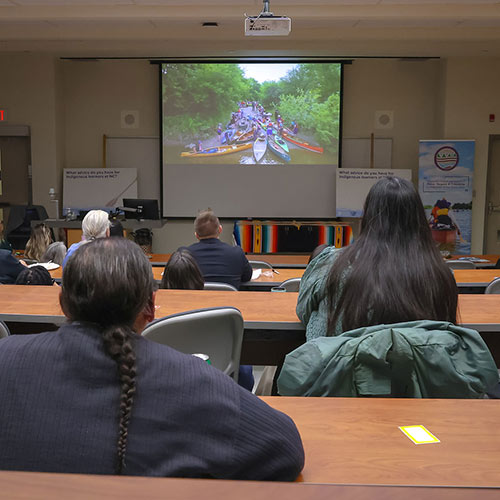
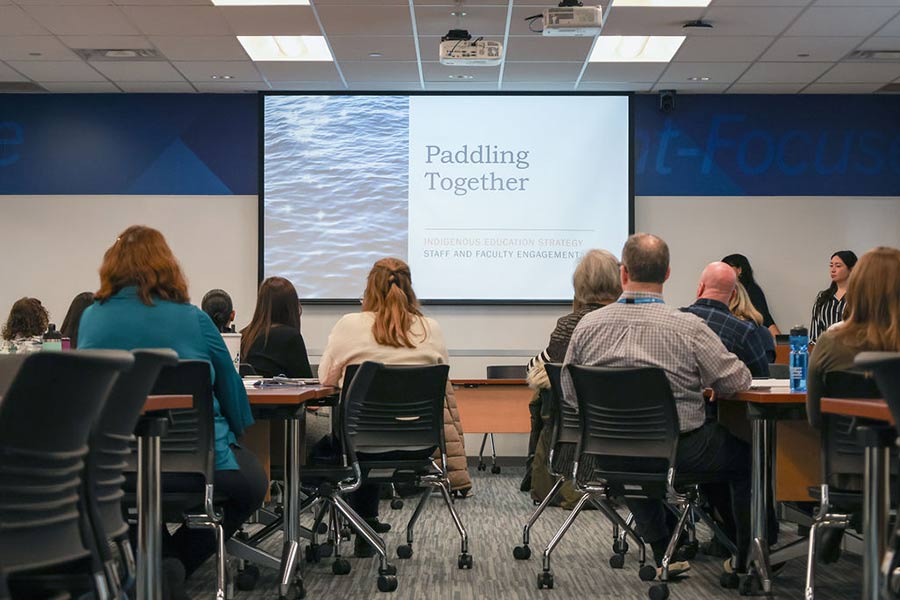
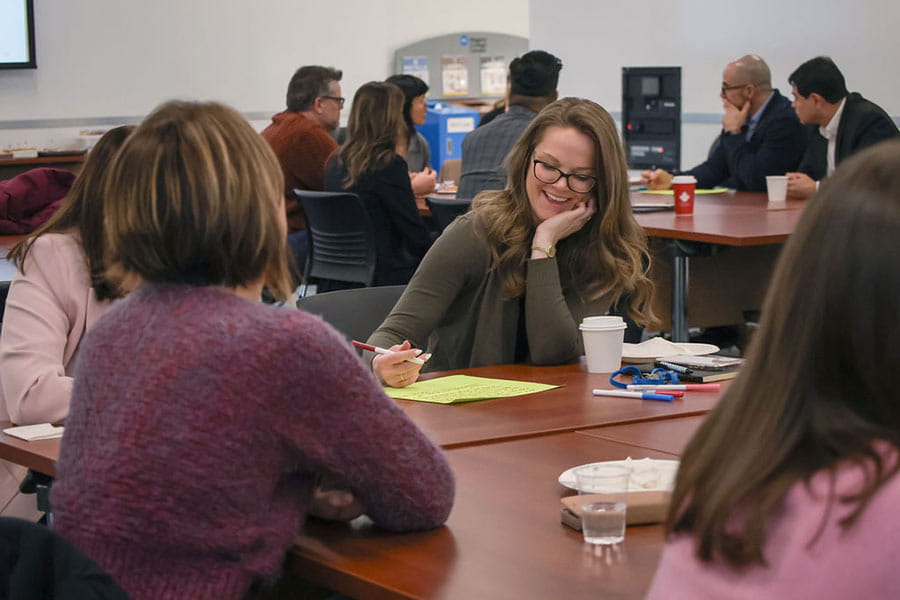
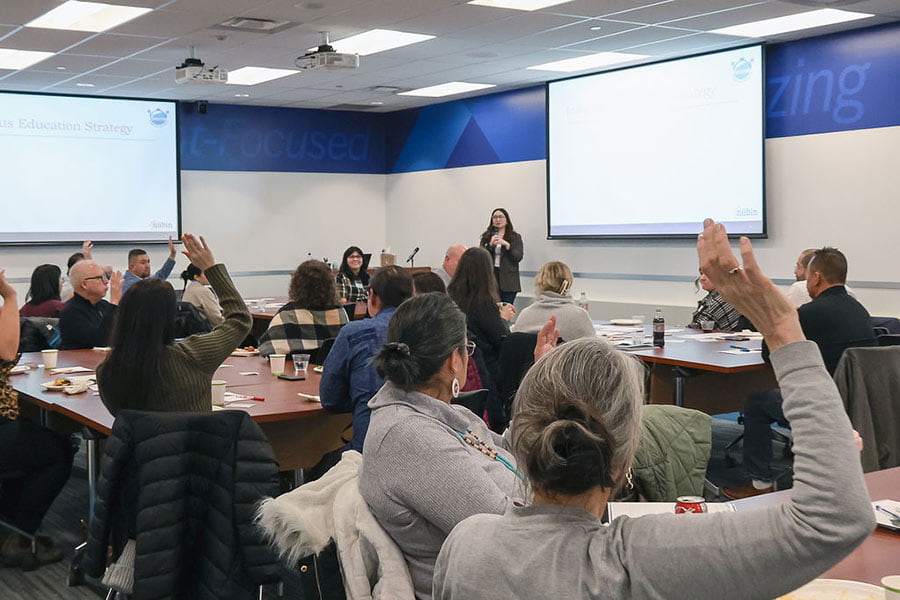
A comprehensive engagement plan was implemented between January and March 2025. Members of the Niagara College community including employees, students, and alumni were invited to participate in consultations through online and in-person activities. Members of the regional Indigenous community were invited to participate and guide the development of the strategy during IEMC meetings and two open community gatherings.
The engagement process included the participation of:
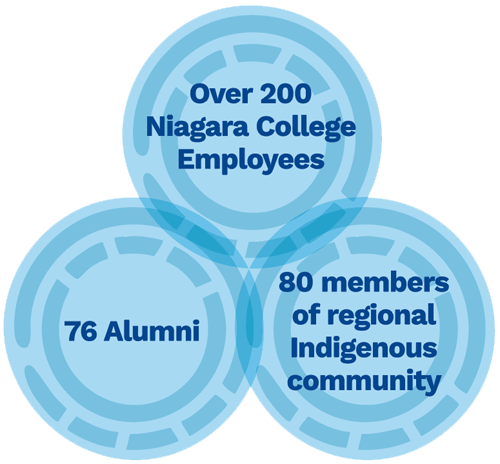
In addition to the input collected through the engagement, the Advisory Circle reviewed other relevant reports, census data, previous NC survey data, and relevant academic literature to understand the current landscape and challenges around advancing Indigenous education at NC.

The Indigenous Education Strategy engagement process was designed to identify priorities and ways in which NC can support Indigenous education, enact its commitment to Truth and Reconciliation, and examine ways in which we can further integrate Indigenous ways of knowing, being and doing into college-wide systems, operations, and ways of working. In keeping with the principles of the Two Row Wampum, and recognizing the waterways that have shaped the growth of the Niagara region—economically, relationally, environmentally, and culturally—the priority areas are presented as canoes.
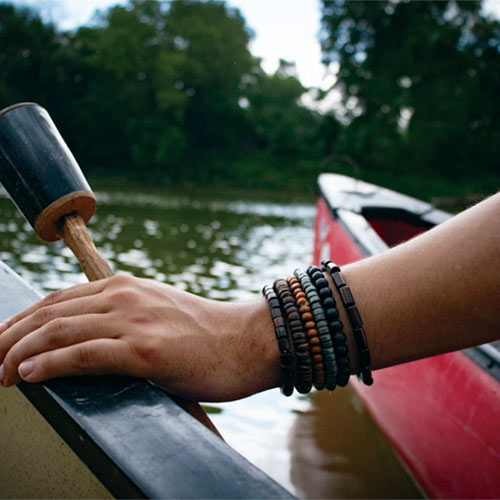
Canoes are enduring symbols of Indigenous resilience, community, and unity. Long before first-contact, Indigenous Peoples across Turtle Island used canoes to navigate the myriad coastal, Arctic and inland water ways across the land we now know as Canada. Canoes are not manufactured; rather they are crafted with tremendous skill and artistry that is passed on among generations, and the craftsmanship is deeply symbolic of Indigenous knowledge and tradition.
For our strategy, canoes also represent the ways in which we must work together as a unified community of Indigenous people and non-Indigenous people. Paddling canoes requires teamwork, where the individual effort of each paddler contributes to the speed and direction of the vessel; and as members of the NC community there will be times when some of us have to paddle with greater strength and effort, and there will be times when some of us will follow the map and steer the team. During our journey, there will be times when we won’t be in the same canoe, but we will need to be moving forward in the same direction.
Most importantly, the canoe represents an enduring commitment to strengthening bonds and healing with one another as a community of Indigenous and non-Indigenous learners who are all prepared to paddle forward, together.
Imagine the future of Indigenous education as a destination far down the river. To get there, we must all journey together—Indigenous and non-Indigenous—in our own canoes or boats but moving as one, toward a common livelihood where all are living well.
No single canoe can carry everyone, and no one should be left behind. To move forward, everyone will need to paddle in rhythm. No canoe is more powerful than the others. If one canoe struggles, others are close by to lend a hand. If we try to tow too many canoes behind us, we will tire before we reach our destination. So, some canoes will lead while others follow, and it is in their following that they too, will learn to lead. We rely on the spirit of reciprocity and collaboration to reach our common destination.
Everyone on this journey has a role. What we bring—our knowledge, our preparation, our willingness to listen and learn—matters. The water may change and challenge us at times, but by traveling together, we will arrive wiser and ready for the work ahead.
As each canoe is presented, readers will explore where and how this priority was identified, as well as what progress and success will look like when achieved. Key actions are recommended for each canoe, shaped directly by insights from Niagara College students, staff, alumni, and community members.
To fulfill our pledges to the Truth and Reconciliation Commission Calls to Action and the CICan Indigenous Education Protocol, and the College’s Strategic Plan, the strategy’s implementation will be guided by four key principles:
Respect in interactions that reflect a commitment to mutual benefit, where knowledge shared by Indigenous students and staff is valued, and outcomes from this shared work are given back to the community in meaningful ways. The personal growth journey of every individual is respected. Trauma-informed approaches will honour these exchanges with transparency and accountability.
Indigenous-led to acknowledge the truth and have difficult conversations. In the spirit of Reconciliation, safe spaces are formed for respectful dialogue so that everyone can show up honestly, listen, share, and learn how to be an ally in Reconciliation. We are committed to ensuring the integrity of these spaces to redress historical harms, and to honour the right of Indigenous Peoples’ self-determination.
Reciprocity todevelop collaborative partnerships as we understand our role in Reconciliation as an active participant, and to fostering shared responsibilities and mutual respect within an Indigenous-led journey. We will work to ensure that all members of the College community are aware of our shared commitment to Reconciliation, and of the responsibility for all members of the NC community to engage with this work.
Openness to form alliances, to meet community needs, and to focus on actionable outcomes that improve the realities of Indigenous students, employees, and community. Together, we strive to attract Indigenous people to learn, work, and teach at NC.
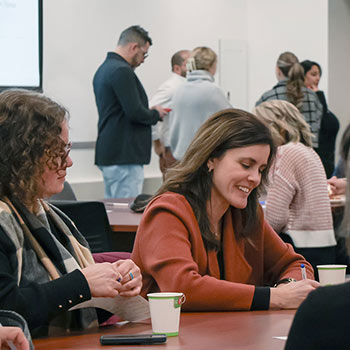
“Building strong relationships between the College and local Indigenous communities requires meaningful engagement, mutual respect and a commitment to Truth and Reconciliation.”
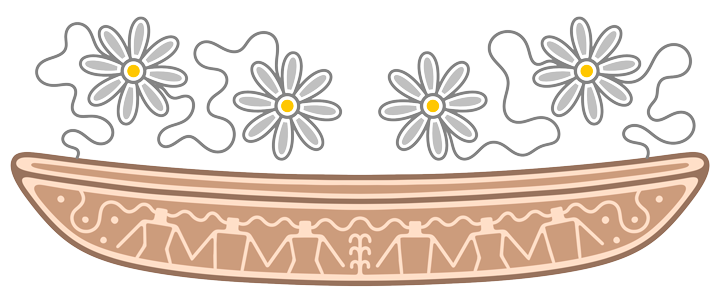
Community Relationships
We create shared experiences and strengthen relationships with Indigenous communities to grow a vibrant region for everyone.
Learn About Community Relationships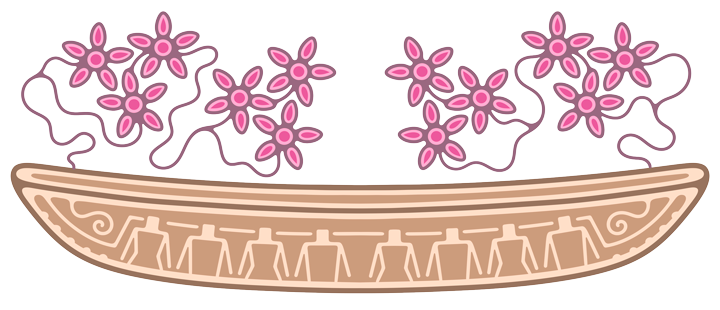
Governance
We purposefully include Indigenous perspectives and voices to inform and shape how we make decisions in the organization.
Learn About Governance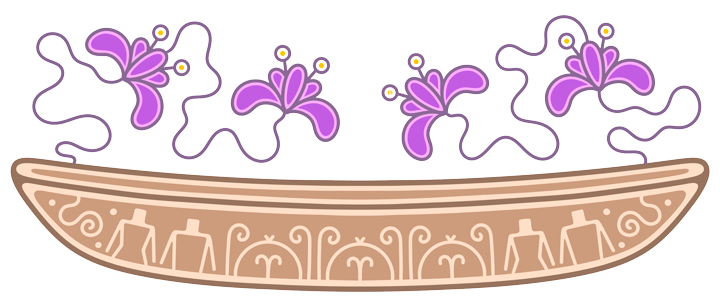
Teaching & Learning
We establish a flourishing learning ecosystem that honours and incorporates Indigenous knowledge and pedagogy.
Learn About Teaching & Learning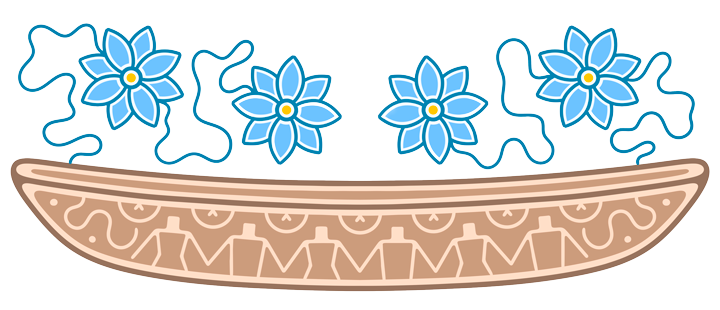
Indigenous Student Empowerment
Indigenous learners belong and are supported to use their voice and make choices for their learning.
Learn About Indigenous Student Empowerment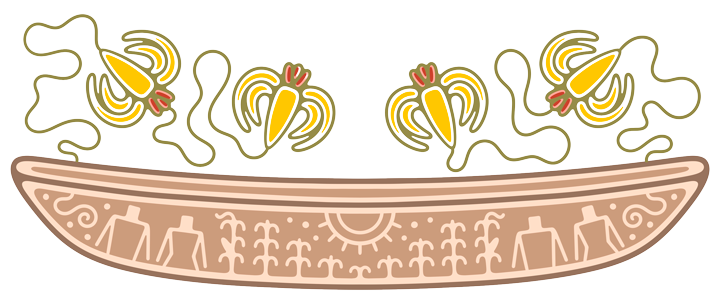
Organizational Culture & Systems
Organizational systems, policies and practices support Reconciliation, advance Indigenization, and promote Indigenous student success.
Learn About Organizational Culture & Systems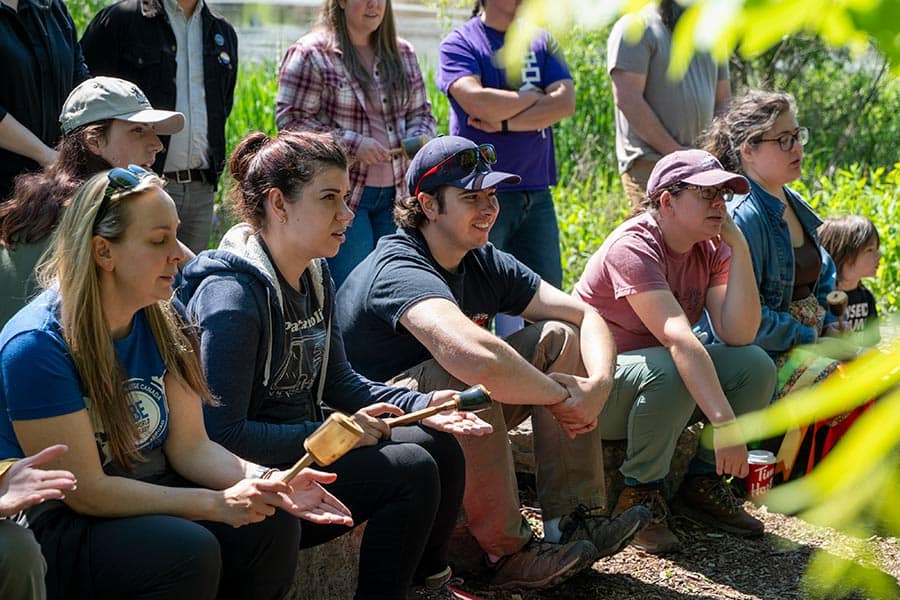
- Indigenization and Reconciliation not only benefit Indigenous employees and students, but all employees and students who have historically been excluded from colonial and patriarchal systems worldwide. Investing in Reconciliation efforts benefits everyone in our College community.
- Prioritizing relationship building among Indigenous and non-Indigenous people in our College provides the space to adapt policies to reflect the realities of Indigenous learners, staff, and communities.
- Supporting Indigenous student success means creating an environment where Indigenous students feel safe to be Indigenous without repercussion and social stigma—an environment that includes our programs, people, policies and place.
- As an act of Reconciliation, identifying the limitations of Western ways of teaching and learning makes space for Indigenous perspectives, research, and ways of knowing to flourish.
The potential for our strategy to have an enduring impact hinges on the extent to which we engage in meaningful evaluation of its implementation and outcomes. Aligning with the strategy’s principles, ongoing evaluation needs to be transparent, accountable, and actionable. Doing so will help our community paddle forward alongside and with Indigenous employees and students with Indigenous-led initiatives and Indigenous value systems.
“What I would love to see is more public indication of progress of the strategy. There could be posters or ads on our monitors. You could show steps of development, maybe even a periodic report of achievement in our campus news.”
Best practices and research on Indigenous-led evaluation tell us that evaluation is about telling the story of the lived experience of Indigenous Peoples. Unlike some evaluation processes that measure against an institutionalized standard of what is acceptable, Indigenous-led evaluation is a reflection on the activities happening within an ecosystem, with an intention to serve the interests of the community of which it is aiming to support. On that basis, the evaluation of this plan will:
- Guide the canoes towards the strategy’s vision while reflecting its principles.
- Centers the experiences of Indigenous students, alumni, and the broader Indigenous community.
- Is strengths-based, trauma-informed and focuses on outcomes that help Indigenous students and employees to thrive.
- Monitor and grow relationships among Indigenous and non-Indigenous people, and the depth of reciprocity and trust that has been built.
- Help us to understand both the impact of barriers and challenges, while also measuring improvement across programs, policies, people and place.
- Align to the principles of OCAP and data sovereignty by being Indigenous-led in gathering, analyzing, and managing and communicating the data.
- Share the findings with the broader community while celebrating the learning and the progress made.
To ensure the success of Paddling Together: Niagara College’s Indigenous Education Strategy, the following evaluation framework will help us to monitor, assess, understand, and learn from our work. The process must be collective, reciprocal, iterative, and focused on growth and storytelling.
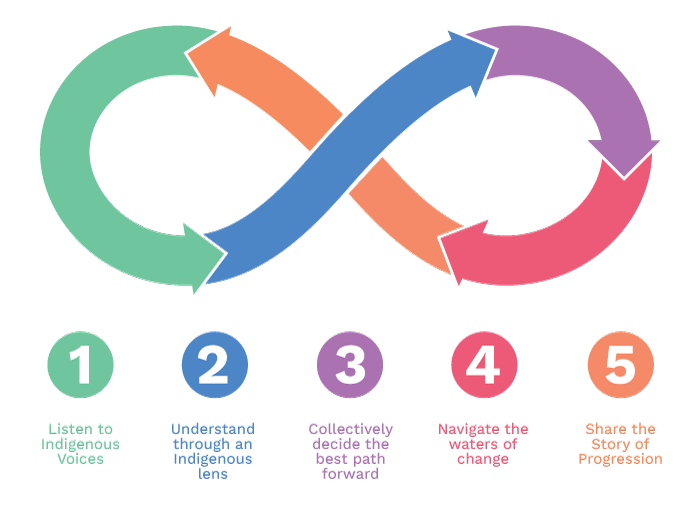
1. Listen to Indigenous voices.
Metrics and outcomes will be grounded in the realities of Indigenous employees, students, alumni, and reflect Indigenous voices throughout the process.
2. Understand through an Indigenous lens.
Metrics and outcomes will be synthesized and analyzed in partnership with Indigenous representatives (e.g., students, employees, IEMC). Doing so will help to ensure that progress and outcomes are understood through a community-based, trauma-informed, and self-determined lens. This will form the story of the present-day realities and compare to the desired vision of the Indigenous Education Strategy.
3. Collectively decide the best path forward.
How to best guide the path forward towards the strategy’s outcomes will be determined collaboratively, including the IEMC, Indigenous Strategy Advisory Committee, and college leaders. Associated goals and objectives will be integrated into the College’s annual plans at organizational, departmental and individual levels.
4. Navigate the waters of change.
Our journey together will be monitored and maintained by both Indigenous representatives and college leaders. Collaboration and reciprocity will guide how decision-making and information sharing will advance the growth, impact and success of the strategy.
5. Share the story of progression.
The story of the journey—including successes and setbacks—will be documented and shared across the College community. Targeted outreach to Indigenous students, employees, and community is vital to ensuring that members of NC’s Indigenous community see and hear their stories being told. Setbacks will be seen as opportunities to improve and make space for continued dialogue with Indigenous people to continue to fuel our journey together.
Embarking on a long journey—paddling together—requires careful planning, shared vision, and collaboration. Through this strategy, we will equip our college community with the motivation, knowledge, and tools needed to prepare, embark, and navigate toward a new destination. Our future is one where relationships are strengthened, knowledge is shared, authenticity is honoured, and inclusivity leads to meaningful, reciprocal benefits for Indigenous and non-Indigenous people at NC and beyond.
Questions or contributions can be sent to [email protected].
