Soil Monitoring
Niagara soil is generally thick and ranges from clay loam to clay. The soil is poorly drained and moderately to slowly permeable. This type of soil has moderate to high capacities for holding water and retaining nutrients. The quaternary geology of the soil of Daniel J. Patterson campus here in Niagara-on-the-Lake is glaciolacustrine deeper water clay and silt.
What we do
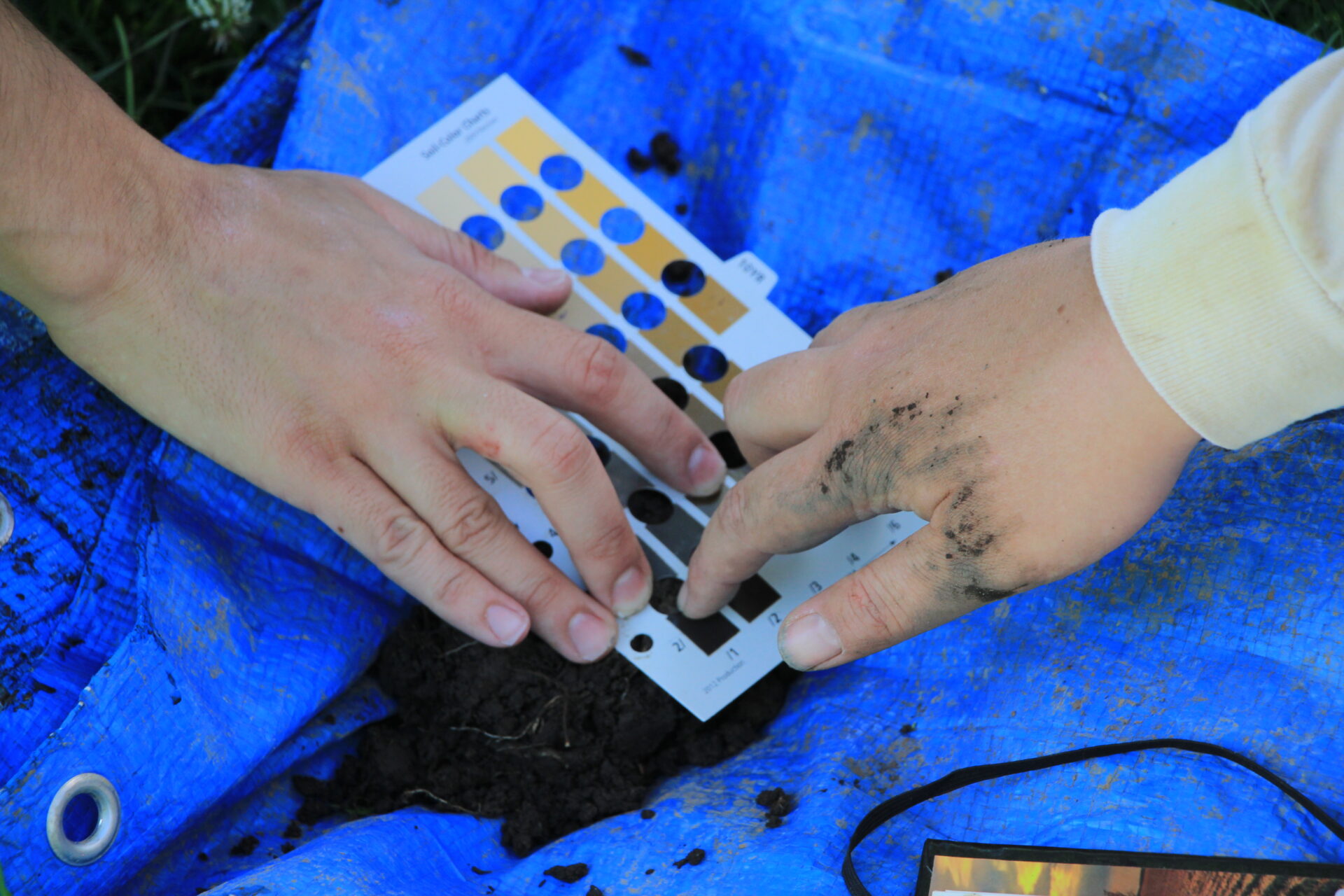
Niagara College is dedicated to monitoring and analyzing multiple environmental factors at the Daniel J. Patterson campus in Niagara-on-the-Lake. Water monitoring is performed on campus in order to ensure that all water systems on campus are maintained and that the watershed health is stable for the ecosystem. Soil samples are collected from areas close to water monitoring sites here on campus. Performing analysis on soil samples near the water monitoring sites can help assess the impacts of land use on these aquatic ecosystems. By following assessment of physical and chemical properties, soils can be determined to be within government guidelines and demonstrate how well the soil is able to hold and filter contaminants.
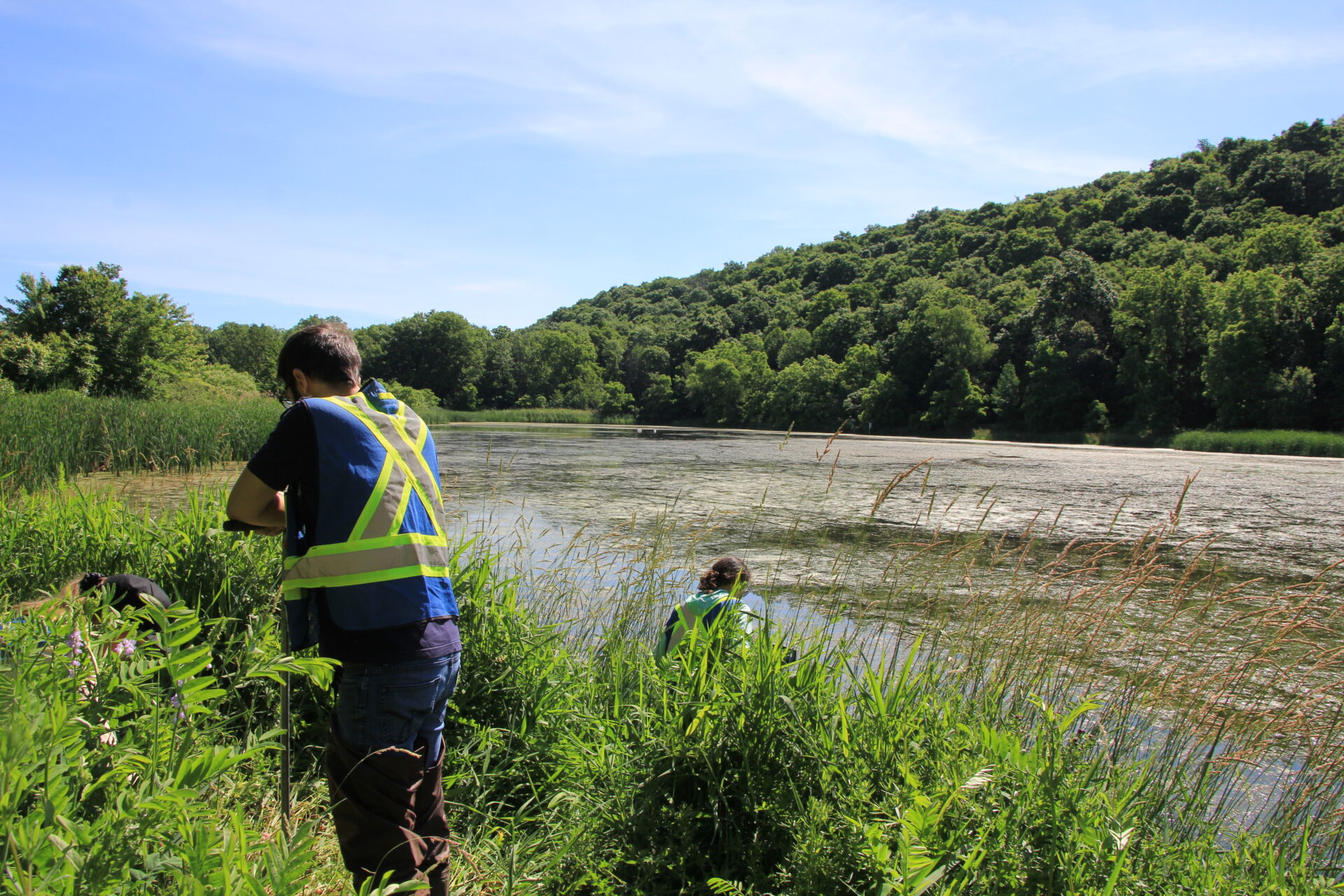
Through these activities, Niagara College not only contributes to environmental sustainability but also enriches its academic offerings by providing students with valuable experimental learning opportunities.
What we record
pH: Measuring pH indicates the acidity or alkalinity of the soil.
Conductivity: Measures the soil’s ability to conduct electrical current (EC). This is an indicator of soluble salt concentration, soil moisture, and nutrient availability.
Soil Texture: Determines the proportions of sand, clay, and silt. Determines how well the soil can retain/filter water, nutrients, contaminants, etc.
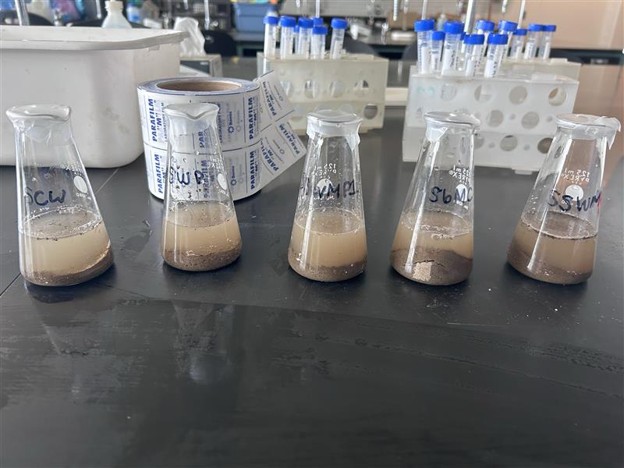
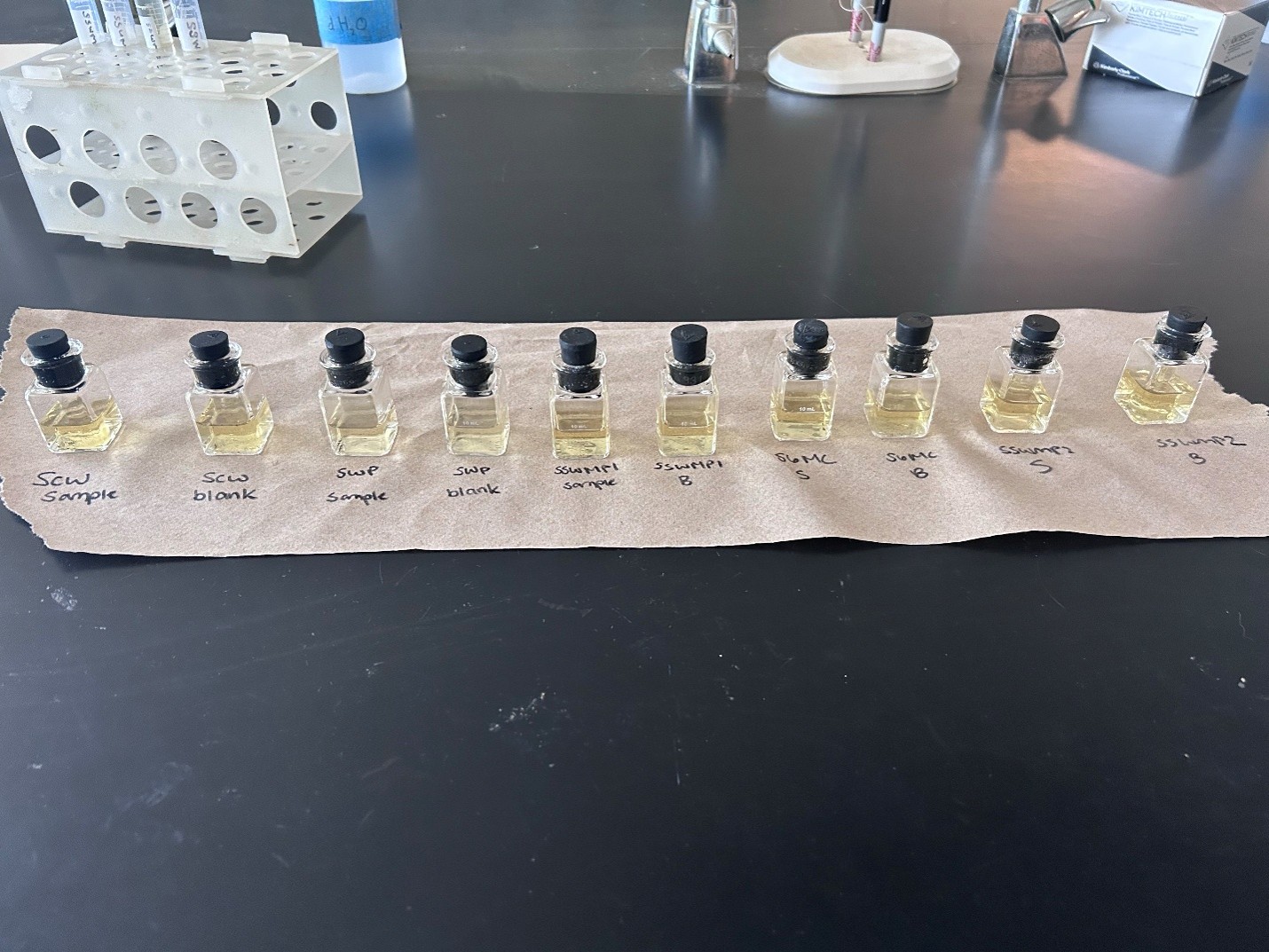
Nutrients: Determining the levels of chloride, phosphorus, and nitrate in soil near water bodies is crucial as these chemical compounds serve as primary indicators of nutrient pollution and waterway contamination.
What we measure
Ultrameter: This instrument is used to measure conductivity and pH levels.
Soil Extraction: This method allows for nutrients to be chemically dissolved and isolated from the soil sample to be measured.
Texture by Feel: This method allows for estimating the proportions of silt, sand, and clay in the soil. This helps with determining water and nutrient retention, drainage, etc.
Spectrophotometer: This instrument measures how much light a sample absorbs or transmits.
Range

Comparing measurements to Ontario and Canadian guidelines ensures that Niagara College meets regulatory requirements. Provided below are links to Ontario and Canadian guidelines:
- Soil, ground water and sediment standards for use under Part XV.1 of the Environmental Protection Act | ontario.ca
- https://sis.agr.gc.ca/cansis/publications/surveys/on/on60/on60-v1_report.pdf
- https://www.ontario.ca/page/soil-management-fertilizer-use-crop-nutrition-and-cover-crops-fruit-production#section-4
Soil monitoring should be done every 3 to 5 years as it allows for accurate remediation action to take place and ensure continued health and stability here at Niagara College.
Opportunities
If you have any questions or would like more information, please e-mail [email protected]