Benthic Macroinvertebrate Monitoring
Since 2012, Niagara College has participated in water monitoring across the campus. Students follow a standardized protocol which enables the collection of long-term data to help identify problem areas and support accurate remediation plans. Water monitoring provides a snapshot of water conditions at a specific time. To gain a longer-term picture of aquatic ecosystem health, Niagara College’s Daniel J. Patterson (DJP) Campus in Niagara-on-the-Lake (NOTL) initiated benthic macroinvertebrate sampling in 2026 as an addition to the Water Monitoring report. The objective of this survey was to generate additional data to support watershed health assessments and contribute to ongoing environmental analysis.
What are Benthic Macroinvertebrates?
Benthic macroinvertebrates are organisms that live in or on the sediment of aquatic environments and are widely used as biological indicators for watershed health. Different taxa exhibit varying levels of tolerance to pollution, making benthic communities useful for evaluating water and habitat conditions. The survey collected information on indicators including pollution tolerance and habitat disturbance. Taxonomic richness can decline in response to ecological alteration, habitat loss, pesticides and fertilizers, disruption of energy cycles and invasive species.

Sampling Locations
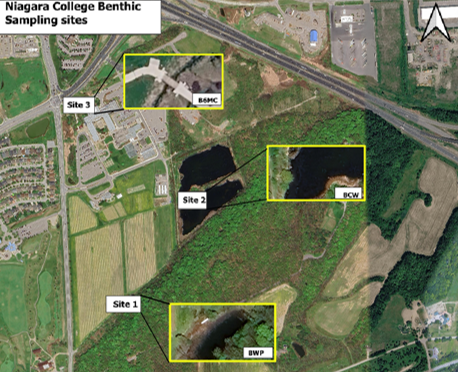
Benthic samples are collected one to two times per month from mid spring through late summer to capture seasonal variation in benthic communities. Three sites are assessed at the DJP Campus:
- Niagara College Lagoons
- Six Mile Creek
- Vineyard Pond
Pollution Tolerance Index (PTI)
The Pollution Tolerance Index (PTI) is a tool used to assess aquatic habitat conditions based on the pollution tolerance of the macroinvertebrates collected. Each taxon is assigned a tolerance value. The abundance of individuals within each taxon is multiplied by its tolerance value to produce a weighted score. The weighted scores are then combined and divided by the total number of individuals sampled to calculate the overall PTI.
Why does Pollution Tolerance matter?
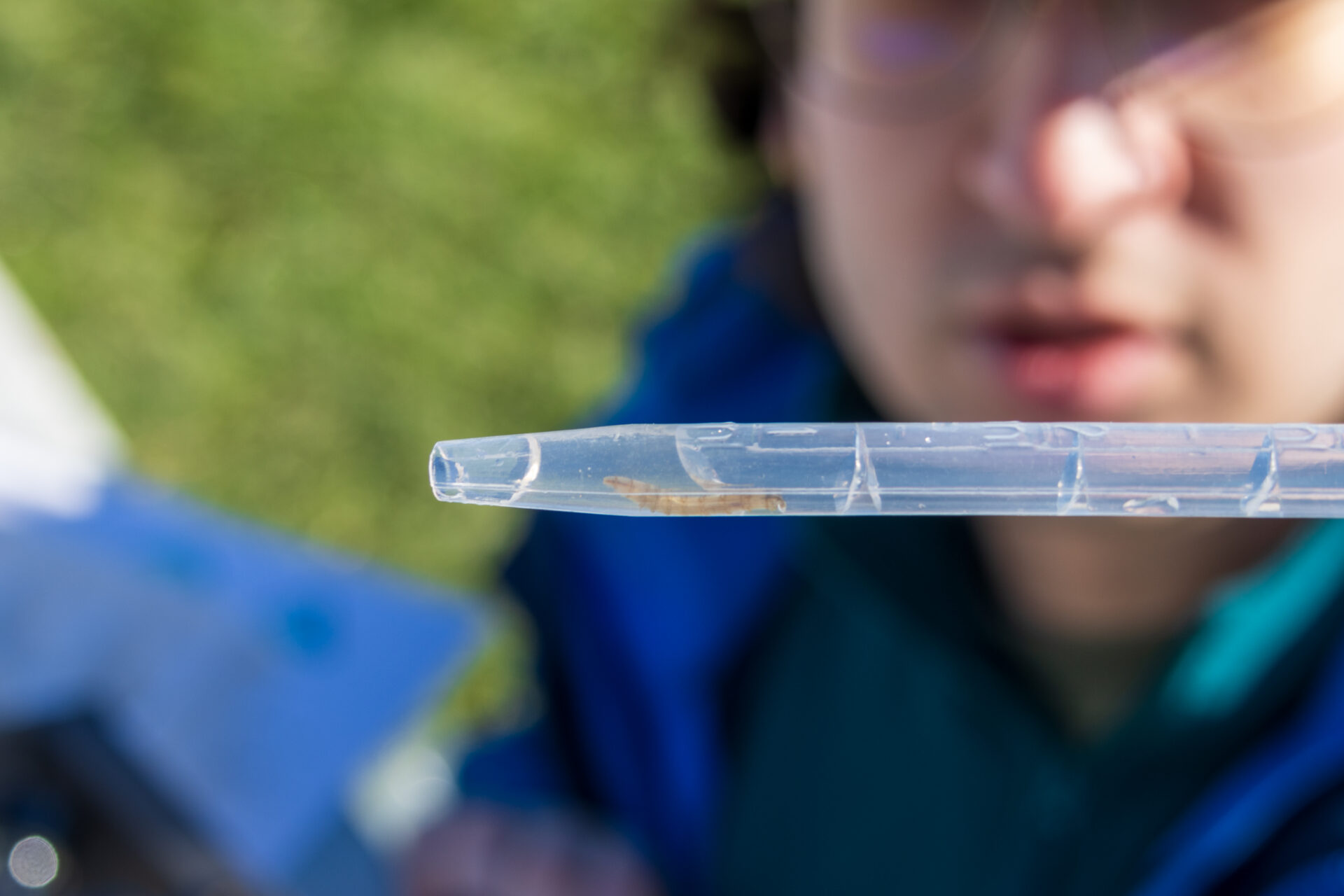
Intolerant organisms are generally associated with cleaner water conditions, while tolerant organisms can persist under more degraded conditions. Examining the community as a whole provides biological information that complements physical and chemical water measurements.
The three groups based on Tolerance are:
| Tolerance Group | Pollution sensitivity | General interpretation |
| Group I | Sensitive to pollution | Good quality water |
| Group II | Somewhat sensitive to pollution | Fair quality water |
| Group III | Tolerant to pollution | Poor quality water |
Calculating the stream rating
The tolerance weighting of each taxon is used to calculate the overall PTI score. Comparing PTI values among sampling dates and locations helps identify changes in the biological condition of the monitored waterbodies and provides a baseline for future monitoring.
2026 Monitoring Results
Results from the 2026 monitoring period showed variation among the three sampling locations and between sampling dates. The final sampling results provide a useful snapshot of the benthic communities present at each site
| Site | Final PTI | Classification | Final sample |
| Vineyard Pond | 26 | Excellent | 7 individuals; 2 taxa |
| Niagara College Lagoons | 5 | Bad | 7 individuals; 2 taxa |
| Six Mile Creek | 12 | Fair | 15 individuals; 4 taxa |
The Vineyard pond sampling location recorded the highest final PTI score and an excellent classification, while the Niagara College Lagoons recorded the lowest score that resulted in a Bad classification. Six Mile Creek fell between the two sites with a Fair classification. Because the final samples varied in abundance and taxonomic richness, the PTI results should be interpreted alongside repeated sampling and other water-quality measurements.
Why long term monitoring matters
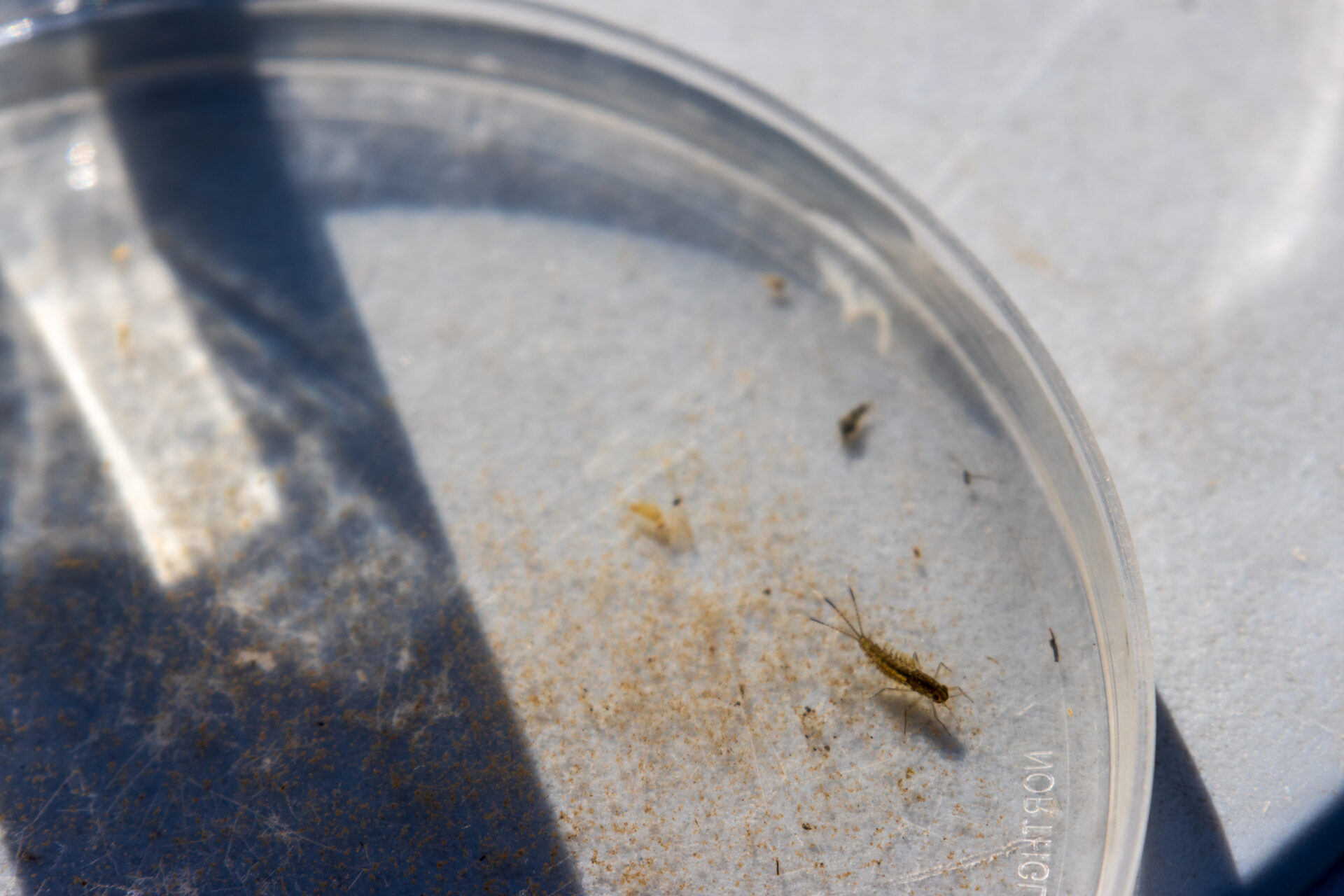
Changes in benthic communities can reflect changes in water and habitat conditions that may not be captured by a single water quality measurement. Continued standardized sampling allows Niagara College to compare conditions across seasons and years, identify emerging changes and build a stronger baseline for future watershed health assessments and remediation planning.
Results and data can be requested through the Sustainability office by e-mailing [email protected]