Niagara College and Niagara Economic Development strengthen agriculture talent pipeline through specialized student recruitment initiatives.
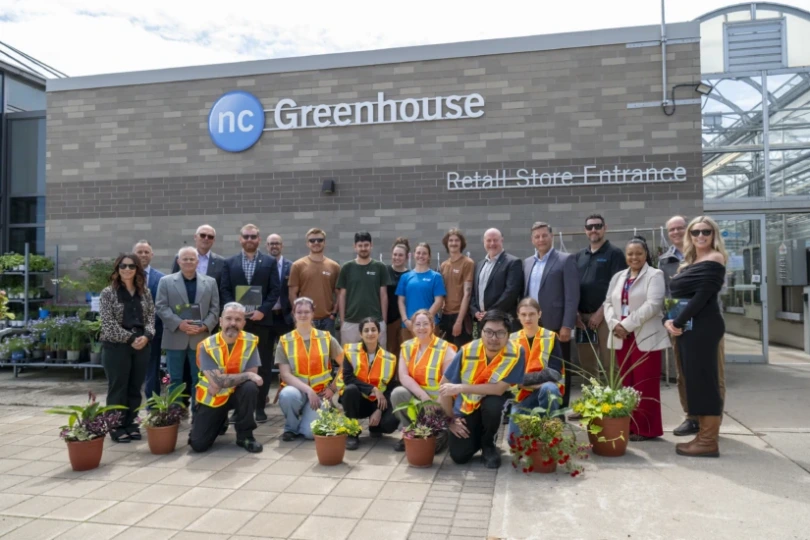
On May 20, leadership from Niagara College, The Niagara Region, and Niagara Economic Development gathered at the Daniel J. Patterson Campus in Niagara-on-the-Lake to see a growing partnership in action that is helping cultivate Niagara’s future agriculture workforce.
As part of their Grown in Niagara: Agriculture Economic Development Action Plan, Niagara Economic Development partnered with the College to support specialized recruitment activities aimed at introducing high school students to careers in agriculture.
“This partnership is a great example of Niagara College and the Niagara Region working together to address workforce needs,” said NC President Sean Kennedy. “We are grateful for their support and recognition of the important role that the College plays in our Region’s economy through training a highly skilled workforce.”
“Agriculture remains one of Niagara’s most important sectors and ensuring we have a strong workforce pipeline is critical to its long-term success,” said George Spezza, Director of Economic Development for the Niagara Region. “Through the Grown in Niagara Agricultural Action Plan and partnerships like this with Niagara College, we are helping Niagara students gain early exposure to the modern opportunities that exist across agriculture, food systems, science, technology, and skilled careers throughout the sector.”
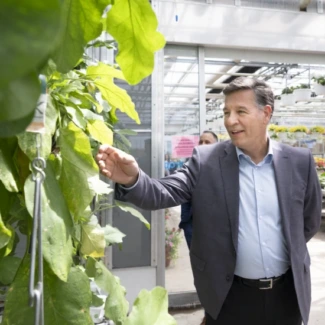
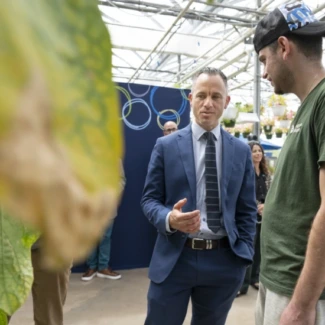
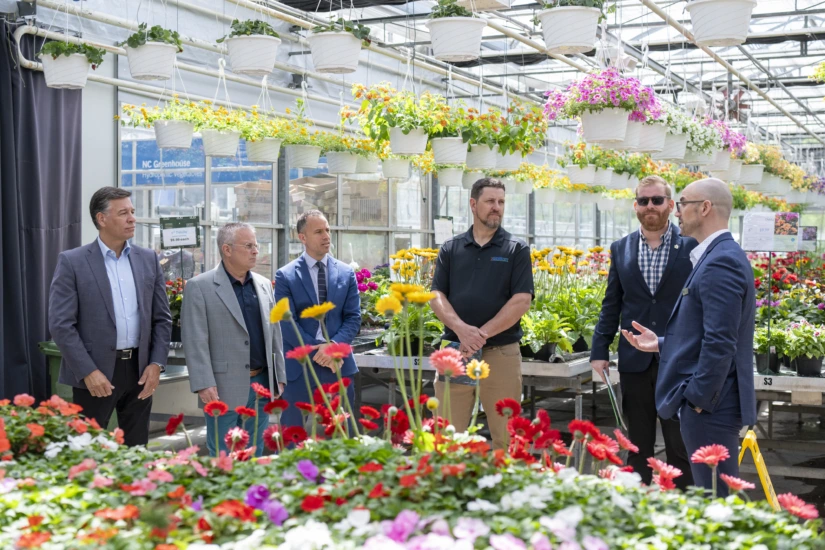
On a tour led by NC’s Evan DiValentino, Dean, Business & Environment, the delegation had a chance to see the initiative and impact firsthand. Over the course of three days, 120 students from West Niagara Secondary, Eden High School, DSBN Academy, and Westlane Secondary took part in ‘Agriculture Days’ at NC which focused on hands-on learning experiences coordinated by the Recruitment team.
“Strong partnerships drive Niagara’s future workforce,” said DiValentino. “At Niagara College, we connect students to the region’s key sectors through applied, hands-on learning, and this partnership helps ensure youth are aware and excited about Agriculture-related career opportunities.”
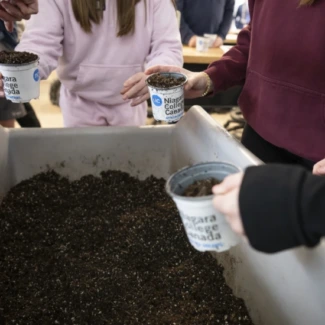
During Agriculture Days, students participated in collecting and studying water samples from the lagoon, learning about grape production in the vineyard, and seeding and harvesting in the Teaching Greenhouse.
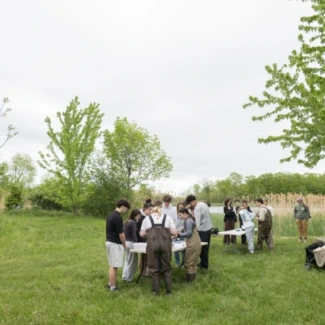
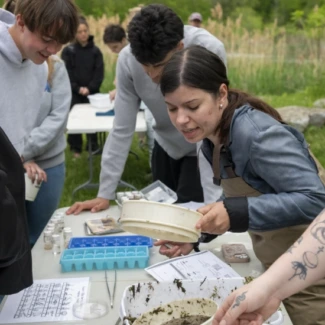
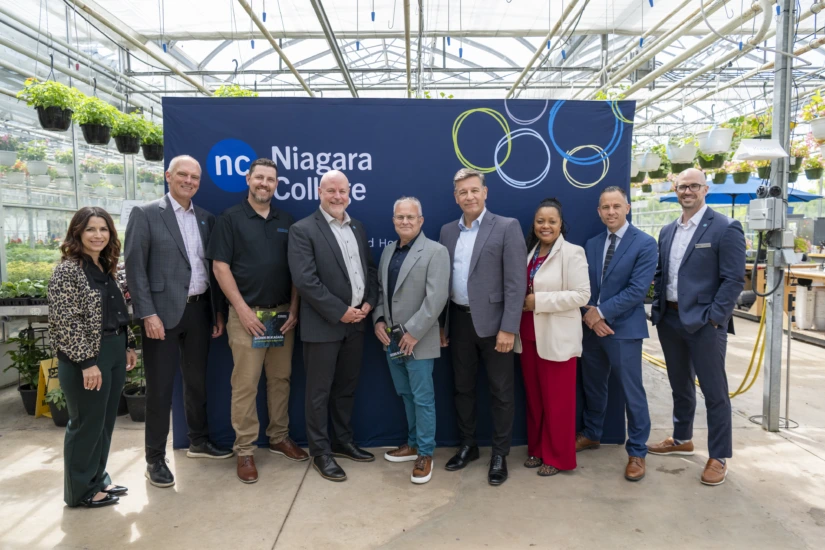
The visit was attended by Ron Tripp, Chief Administrative Officer, Niagara Region, Brian Grant, Acting Chair, Niagara Region, Nick Colosimo, Chief of Staff, Office of the Regional Chair, Katie Wiens, Strategic Marketing Manager, Economic Development, Niagara Region, George Spezza, Director, Economic Development, Niagara Region, Marco Marino, Associate Director, Economic Development, Niagara Region, and Matt McGinty, Economic Development Officer, Niagara Region.
“Agriculture is deeply rooted in Niagara’s identity, economy, and communities,” said Acting Chair Grant. “It is encouraging to see Niagara Region and Niagara College working together to help introduce elementary and high school students to the many rewarding career pathways connected to agriculture. Giving students hands on exposure to these opportunities is an important investment in Niagara’s future workforce.”
Members of NC’s Executive Team, including President Sean Kennedy, Vice President, Academic Fay Lim-Lambie, and Vice President, Advancement, Gordon Arbeau were in attendance.
The broader partnership since January 2026 has also included visits to Specialist High Skills Major (SHSM) classrooms, influencer sessions, campus exploration opportunities, and other student engagement activities designed to increase awareness of agriculture-focused education and career pathways.
“Strong partnerships are essential to building Niagara’s future workforce,” said CAO Tripp. “Niagara College continues to be an incredible partner in helping connect Niagara elementary and high school students to meaningful opportunities in agriculture, innovation, and applied learning. Initiatives like Agriculture Days help students better understand the wide range of careers available within Niagara’s agriculture sector and demonstrate what can be achieved when education and regional economic development work together toward a shared goal.”