
Niagara College is putting its Sustainability Plan into action by using real-time energy data to drive smarter operational decisions.
These efforts – led by the Sustainability Office – have been recognized: NC has been accepted to continue participating in the province’s Strategic Energy Management (SEM) program, supporting the College’s energy and carbon reduction goals alongside a likeminded cohort of postsecondary institutions, hospitals, and school boards.
“NC’s participation in the Strategic Energy Management program supports our commitment to continuous improvement and long-term sustainability goals,” said Pam Skinner, NC’s Senior Vice-President, College Operations.
In August 2024, Niagara College completed its first Energy Management Assessment (EMA) through the Save on Energy program which highlighted opportunities to strengthen energy management practices. These included developing a formal energy policy, creating a cross-departmental energy team, improving operational procedures, and enhancing communication and engagement with employees.
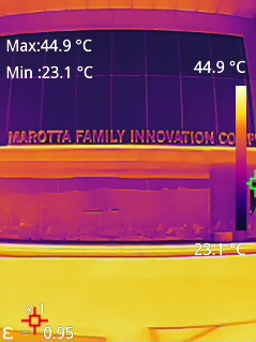
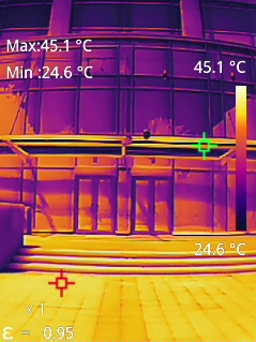
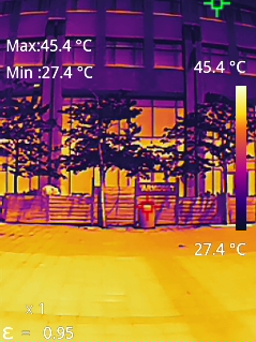
One of the first activities completed was an energy hunt – a collaborative exercise designed to identify energy saving opportunities.
“The process involved reviewing consumption data to spot trends, touring campus areas to observe potential energy waste, and ranking identified opportunities using the opportunity matrix,” said Mae Lannan, Energy Analyst, Sustainability. “Findings from this exercise now inform Niagara College’s energy management strategy.”
“Through SEM, Niagara College developed predictive energy models for both campuses using baseline data, scheduling, and weather data,” said Lannan. “These models compare predicted electricity use with actual consumption to calculate energy savings.”
Lannan says that energy models can indicate inefficiencies and changes in usage patterns and help the College make informed decisions and continuous improvements. Currently, the Daniel J. Patterson Campus is trending toward electricity savings, whereas more work is needed to bring Welland Campus in line with the College’s energy goals.
After completing two years in the inaugural cohort of Strategic Energy Management (SEM) participants, joining the alumni cohort will allow NC to share best practices and take its energy management efforts to the next level.
“The Alumni Cohort offers flexible milestones, allowing participants to set their own priorities,” said Lannan. “Niagara College will continue implementing energy-saving initiatives and sharing progress with the college community.
