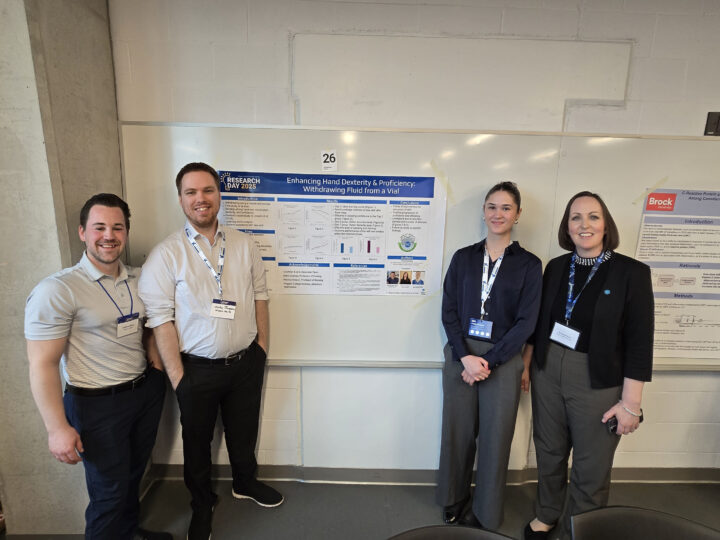
Healthcare researchers, learners and professionals from across Niagara, Hamilton and the GTA converged on Niagara College’s Daniel J. Patterson Campus on May 1 for Niagara Health Knowledge Institute (NHKI) Research Day.
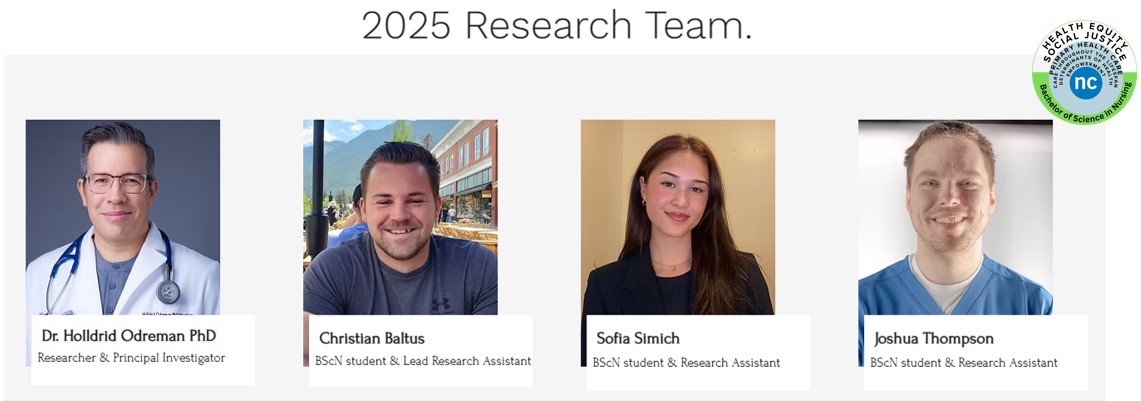
Among the attendees were three first-year students from the College’s inaugural Honours Bachelor of Science in Nursing (BScN) degree program – Christian Baltus, Sofia Simich and Joshua Thompson – who worked as research assistants with NC Professor of Nursing Dr. Holldrid Odreman on a pilot research study during the 2025 Winter term.
The study, “Enhancing Hand Dexterity and Proficiency: Withdrawing Fluid from a Vial,” was one of about 60 health research poster presentations featured at Research Day.
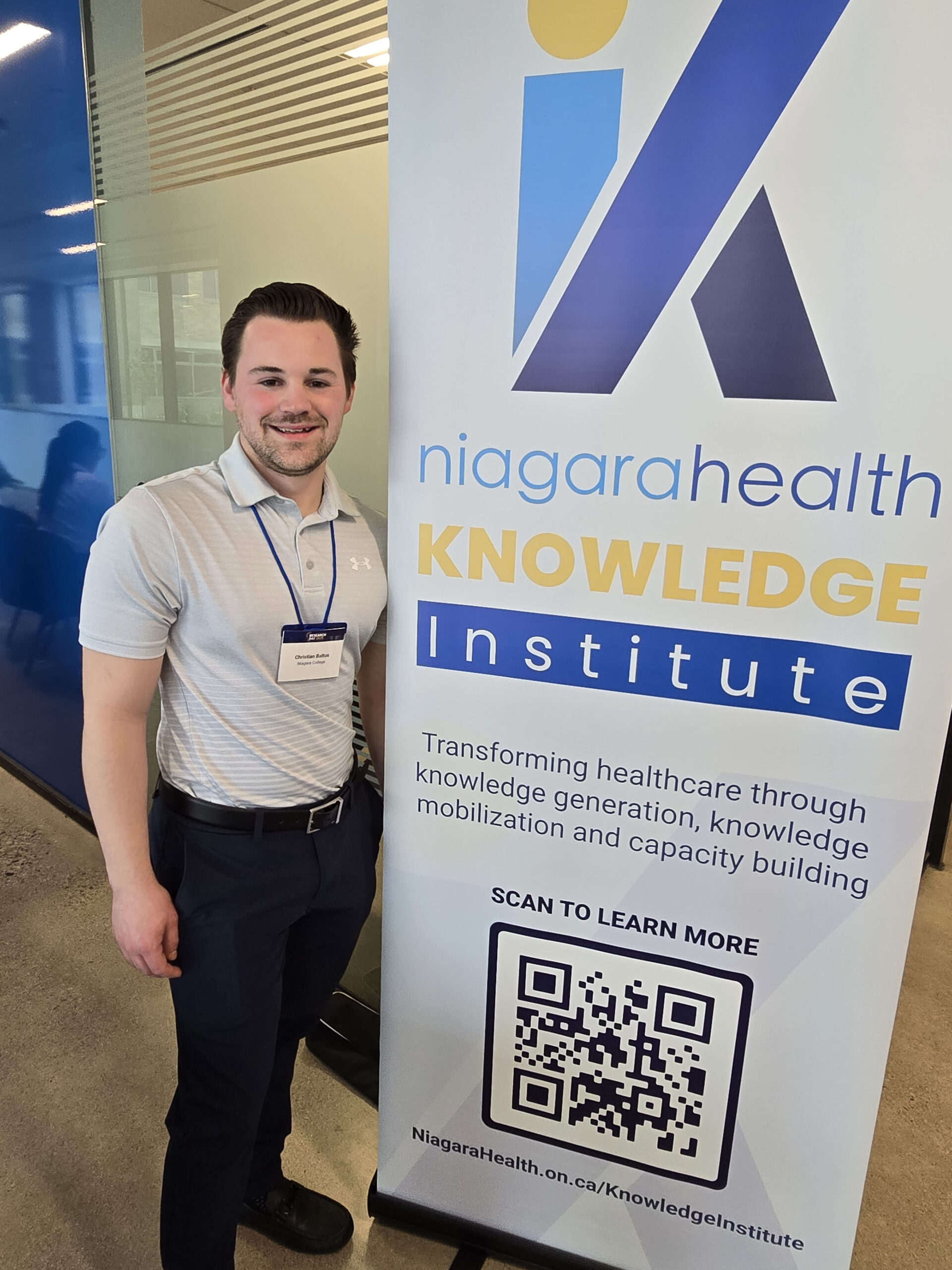
Christian Baltus
The objective of the study was to determine how well nursing students can learn and retain the important skill of withdrawing liquid medication from a vial using a needle and syringe, a task that requires hand-eye coordination, accuracy, and confidence.
Baltus, who was the Lead Research Assistant involved in all aspects of the study, described the research as “a study made by students for the students” and says there is no existing study on the skill of drawing fluid from a vial using a needle and syringe.
“The nursing skill itself is one that students sometimes struggle with, definitely the dexterity of it, the proficiency and efficiency of doing it,” said Baltus, who can see himself working in an emergency setting post-graduation.
“That’s why we wanted to explore this because, in the nursing setting, this is a skill that we’re going to use constantly and that we have to feel 100% comfortable administrating. That’s also going to lead to patient safety,” he added.
The research team led participants – 24 students from the BScN cohort and Practical Nursing program who had no prior experience with the skill – through an initial phase of skill teaching and testing, before each participant performed five timed skill attempts using a needle and syringe. Participants were then divided into three follow-up groups (‘Day 3 group,’ ‘Day 5 group’ and ‘Day 7 group’) based on when they returned to perform the skill attempts again during the retention phase.
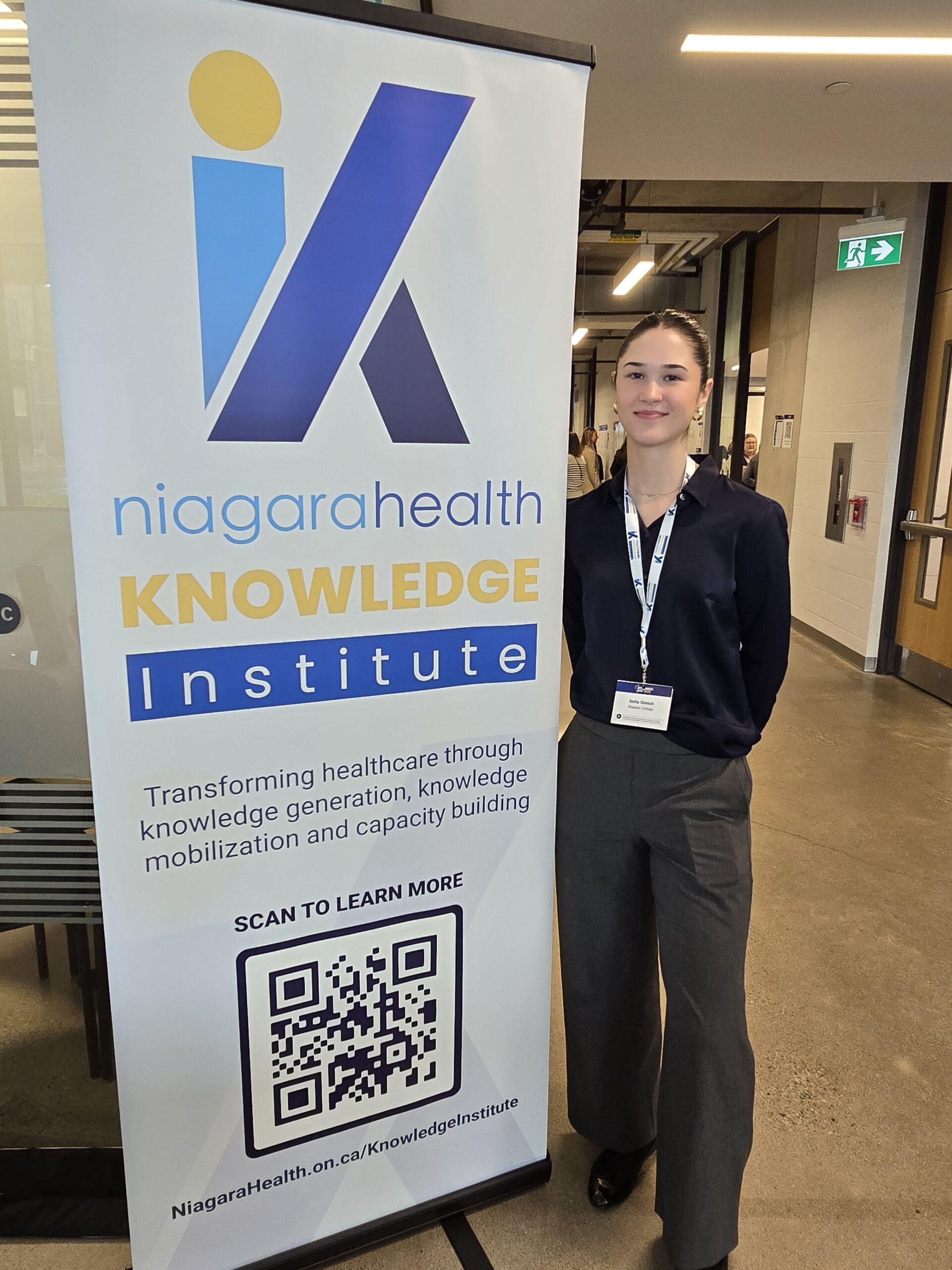
Sofia Simich
The research team used a learning curve model to measure the time taken for each attempt during both phases, assess improvement in skill over time, and determine the overall effectiveness of the training program in enhancing both speed and accuracy.
Simich, who would like to work in a hospital environment after she graduates, took the lead when analyzing the results. Based on the data, she said that the ‘Day 3 group’ hit the learning curve faster, showing the best improvement and accuracy overall, while the ‘Day 7 group’ had slightly better dexterity and confidence, but were more focused on speed than accuracy. With the ‘Day 5 group’ having the fewest number of participants, this group’s results were not reported on.
Overall, the study found that teaching the skill with the right timing and follow-up helps improve performance and confidence in the students.
Dr. Odreman (PhD, MScN-Ed, RN, CCNE, CCSNE), who has taught at the College since 2009, is proud of the research assistants for demonstrating a high level of critical thinking as they interpreted data and drew conclusions about the effectiveness of the training methods in the study.
“The research assistants involved in this pilot study gained valuable firsthand experience in data collection, analysis, the understanding of learning curves, and the importance of following the research process toward answering research questions,” he said.
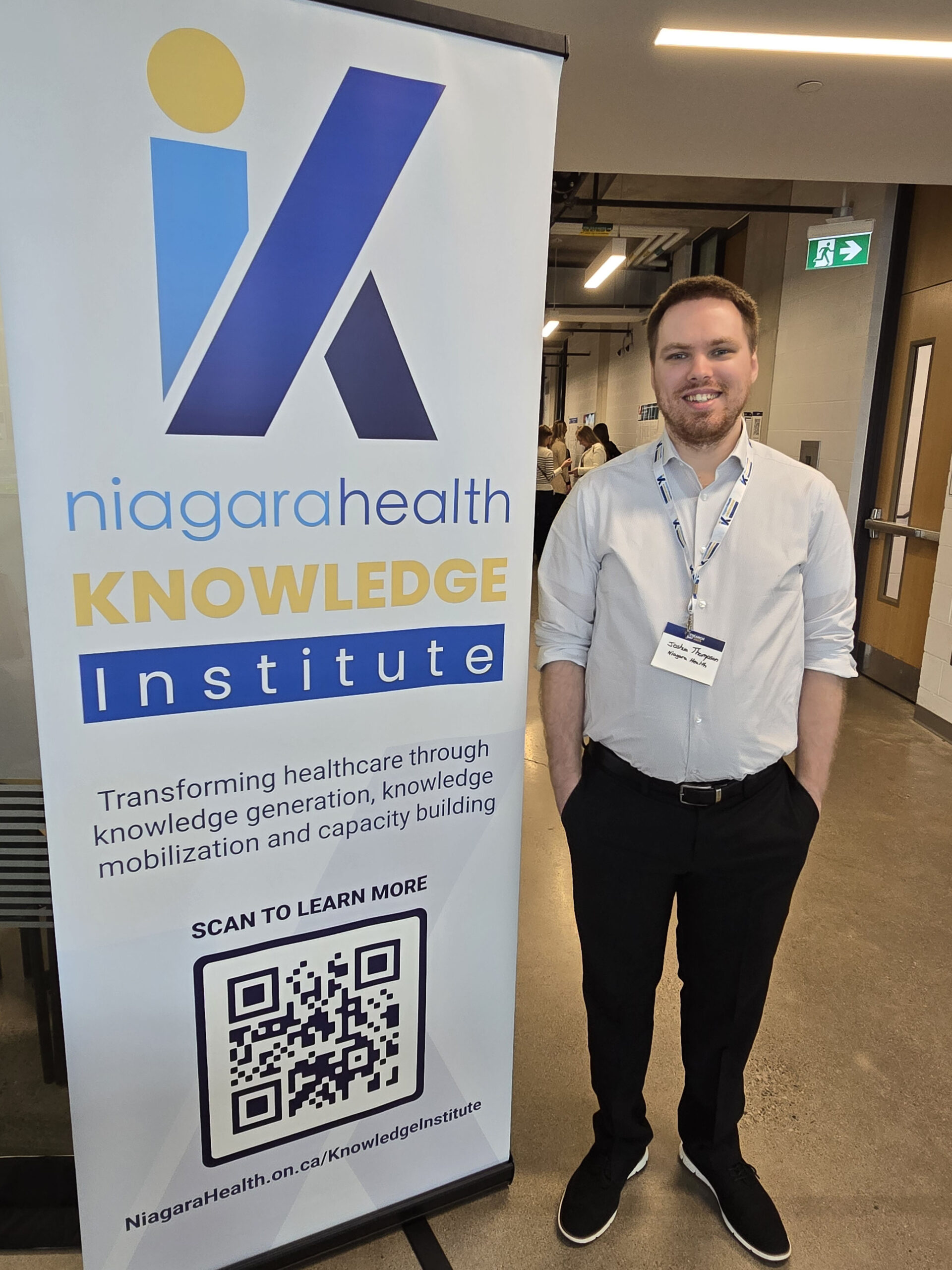
Joshua Thompson
Dr. Odreman also highlighted how the students’ practical involvement not only improved their technical skills but also fostered a deeper appreciation for evidence-based practice and the importance of targeted training programs.
“As future nurses, they will be better equipped to recommend and even implement effective training methodologies that can contribute to continuous improvement in nursing education, and ultimately provide higher quality patient care,” he said.
A key challenge that most students experience when drawing liquid from a vial is getting the air out of the syringe, which the research team confirmed through the study.
“That’s something that we can pinpoint when we’re teaching the skill action in the classroom and emphasize the difficulties so that students spend more time on that, as opposed to the rest of the actual skill,” said Thomspon, who is interested in pursuing multiple areas of the profession, including nursing education.
Nursing Research Stream at the Centre for Research in Education
“Enhancing Hand Dexterity and Proficiency: Withdrawing Fluid from a Vial” was conducted through NC’s Centre for Research in Education. Dr. Oderman, who recently became the Research Lead for the Nursing Research Stream at the Centre, encourages nursing students to get involved.
“In a research team, nursing students learn how to improve collaboration and teamwork skills, which are essential in the healthcare environment,” he said. “In addition, engaging in research allow students to have hands-on experience in research, enhance their practical skills, and contribute to their professional development.”
As part of the 2025 research team, Baltus, Simich and Thompson look forward to participating in future opportunities. Next up, is a study that will explore the use of VR technology as a teaching tool to help reduce students’ anxiety when learning a new skill, similar to research conducted by Dr. Odreman and practical nursing students in 2023.