Join Niagara College’s Indigenous Education department on August 3 to see how traditional corn soup is made.
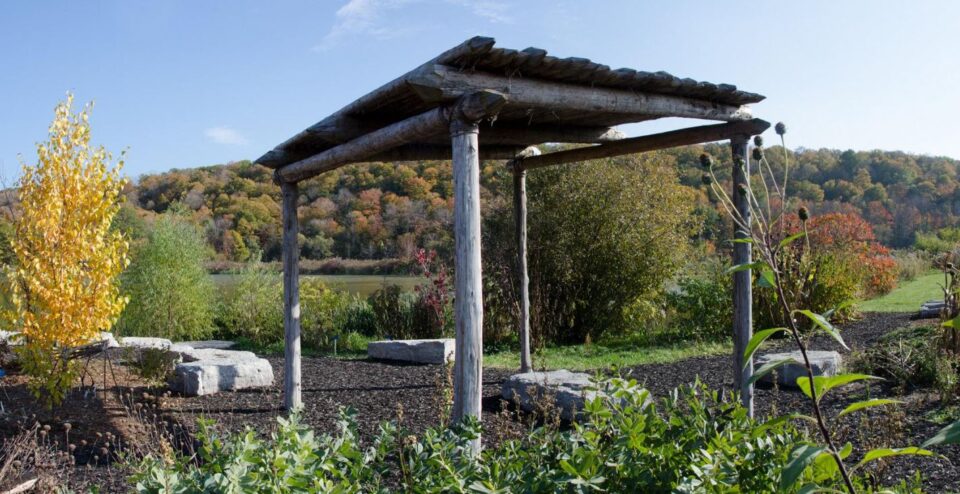
Karl Dockstader, NC’s Indigenous Education and Cultural Consultant, will be making his ancestors’ corn soup recipe in the Indigenous Garden at the Daniel J. Patterson Campus. A true labour of love, Dockstader will begin the lengthy cooking process at sunrise, completing the recipe around noon.
Students and employees are invited to stop by the Indigenous Garden at any time to watch the process and learn about what it takes to make this culturally significant recipe – a tradition that has been passed down through multiple generations of Indigenous peoples. Be sure to stick around to enjoy a sampling of this delicious treat (around 12 p.m.).
The demonstration was originally scheduled on June 29 as part of Indigenous Education’s line up of events celebrating Indigenous History Month. The event was postponed due to an air quality statement at the time. If weather conditions are unfavourable on Aug. 3, a notice will be sent out in advance.
Indigenous History Month Celebration Week
In celebration of National Indigenous History Month in June, NC’s Indigenous Education department hosted a series of events the week of June 26 that honoured Indigenous ways of knowing, doing and being.
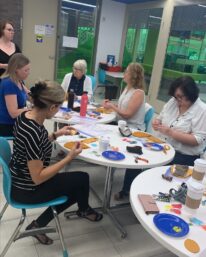
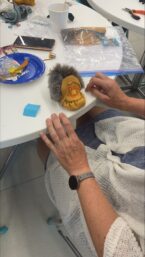
Events included a Nokomis 215+ Moccasin Project workshop that raises awareness about the tragic history of Canada’s residential school system. The one-of-a-kind workshop was led by community partner Shannon Cotter, who taught participants how to make a pair of children’s moccasins. Cotter’s vision is to create at least 215 moccasins to honour the children who never made it home from residential schools. The moccasins created by the NC community will contribute to the project’s goal.
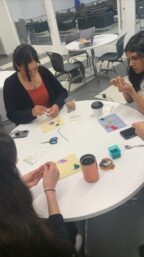
Other events included beaded friendship bracelet sessions with talented community beader Emma Gizzarelli, screenings of the documentary film “Inconvenient Indian” and a discussion around a podcast by 1 Dish 1 Mic entitled “Ally 101: What Can You Do to Help Indigenous People?” The virtual discussion was moderated by Bellan Dye from ncLibraries and was an opportunity for students, faculty and staff committed to reconciliation to learn about what non-Indigenous people can do to help Indigenous peoples.